
Bees play a vital ecological role, yet their presence around residential waste areas creates concern for homeowners. Many people assume bees randomly appear near homes, but their attraction follows predictable biological and environmental patterns. Understanding these patterns allows property owners to reduce unwanted encounters while respecting pollinator importance.
Outdoor environments containing discarded food, moisture, and odors often resemble natural foraging sites, confusing bees during resource searches. Consequently, improper waste handling can unintentionally transform residential spaces into persistent attraction zones. Addressing this issue requires knowledge, consistency, and practical preventative strategies rooted in environmental awareness.
Why Bees Are Attracted to Outdoor Trash
Bees rely heavily on scent and visual cues when searching for food sources within their surrounding environment. Outdoor trash often emits fermented, sugary, or organic odors that closely resemble nectar-producing plants. As a result, bees interpret these smells as potential food opportunities during active foraging periods. Warm temperatures accelerate decomposition, intensifying odors and increasing attraction levels throughout residential areas. Additionally, improperly sealed containers may collect residue, liquid waste, or spilled beverages that further enhance attractiveness.
Outdoor trash frequently contains fruit peels, soda containers, and food scraps rich in carbohydrates and sugars. These materials provide energy sources similar to floral nectar, which bees naturally seek for survival. Moreover, moisture accumulation within trash bins supplies hydration, especially during dry seasons when water becomes scarce. The combination of food residue and moisture creates an ideal microenvironment for repeated bee visits. Therefore, unmanaged waste areas inadvertently replicate conditions found in natural feeding habitats.
Seasonal changes significantly influence bee behavior and waste-related attraction patterns across residential communities. During warmer months, bee populations increase, and foraging activity becomes more frequent and aggressive. Trash areas exposed to sunlight warm quickly, amplifying odor dispersion across surrounding spaces. Consequently, bees can detect these scents from considerable distances, returning repeatedly once a source is established. Understanding these seasonal dynamics helps explain why waste management becomes increasingly important during spring and summer.
Trash Becomes a Persistent Bee Attraction Zone
Once bees identify outdoor trash as a reliable food source, they communicate its location within their colony. This communication causes repeated visits, transforming temporary attraction into long-term behavioral patterns. Even after food sources diminish, lingering odors can continue attracting foraging bees to the same location. Therefore, one careless disposal event can initiate weeks of increased bee activity around residential waste areas.
Trash bins constructed from porous materials may absorb liquids and odors over time, intensifying attraction persistence. Cracks, warped lids, or broken hinges allow bees easy access to internal waste contents. Additionally, bags containing organic refuse may leak fluids, pooling beneath containers and creating unseen attraction points. These hidden residues often go unnoticed while continuing to draw bees daily. Addressing visible waste alone fails to resolve deeper attraction causes without thorough sanitation.
Outdoor trash placement also influences attraction severity and frequency throughout residential properties. Bins positioned near flowering plants, water sources, or entryways create overlapping attraction zones. Bees traveling between flowers and water naturally encounter waste odors during flight paths. Consequently, proximity amplifies discovery likelihood and repeat visitation patterns. Strategic bin placement plays a critical role in reducing exposure risks and environmental confusion for pollinators.
Safety Risks Linked to Outdoor Trash and Bees
Increased bee activity around outdoor trash presents safety concerns, particularly for children, pets, and sensitive individuals. Bees may become defensive when repeatedly disturbed near perceived food sources or colony communication routes. Accidental contact during waste disposal increases sting risks, especially when individuals are unaware of bee presence. Although bees are generally non-aggressive, defensive behavior escalates under perceived threats.
Beyond immediate safety concerns, persistent attraction disrupts natural foraging behaviors and local ecological balance. Bees diverted toward waste sources reduce pollination efficiency across nearby gardens and plants. This diversion affects plant reproduction cycles and broader ecosystem stability over time. Furthermore, reliance on waste-based food sources exposes bees to harmful chemicals or spoiled substances. Long-term exposure may weaken colonies and reduce overall population resilience.
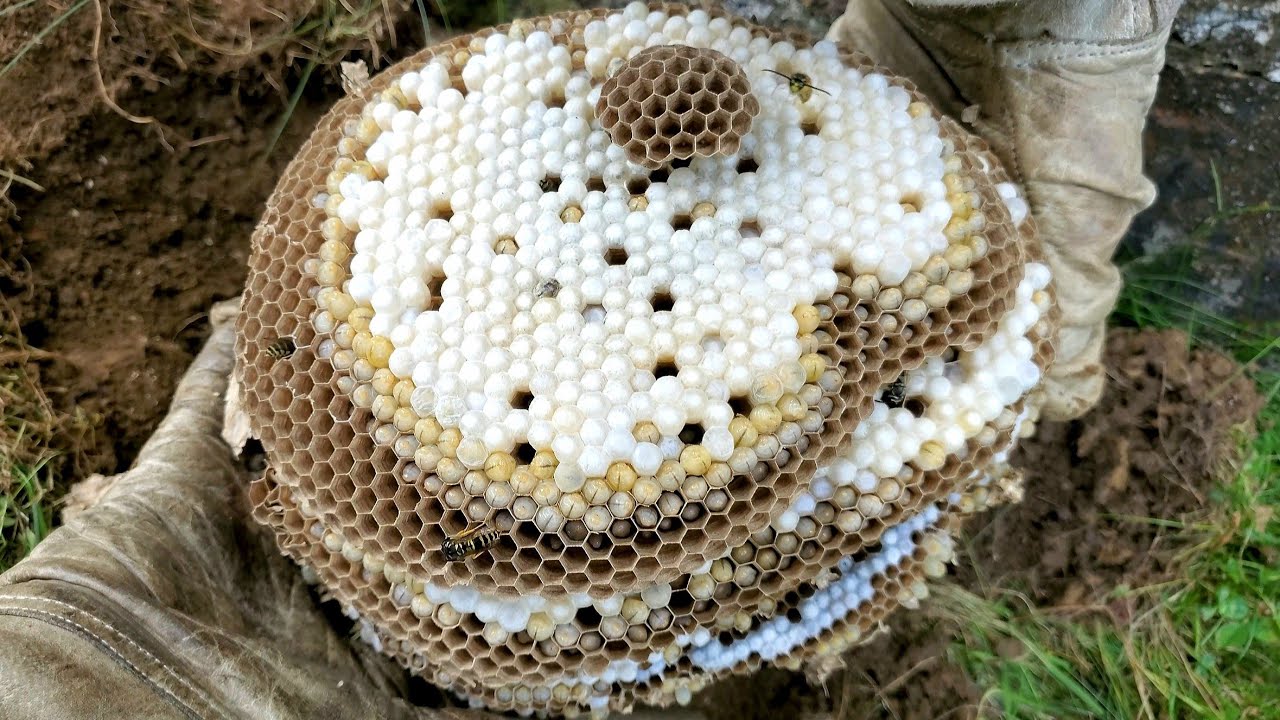
When attraction escalates into nesting behaviors near waste areas, professional intervention may become necessary. In some cases, homeowners seek assistance from specialized services familiar with humane and environmentally responsible approaches. Engaging a bee removal service in Camp Pendleton, CA can help address recurring activity safely while preserving pollinator populations. Integrating professional guidance alongside improved waste management practices ensures both safety and ecological responsibility remain prioritized.
Effective Strategies to Reduce Bee Attraction
Reducing bee attraction begins with understanding scent control and waste containment fundamentals. Sealed containers with tight-fitting lids significantly limit odor dispersion into surrounding environments. Regular cleaning of bins removes residue buildup that sustains attraction even after waste removal. Using non-porous materials prevents absorption of liquids and simplifies thorough sanitation routines.
Outdoor trash should be managed with consistent disposal schedules to minimize decomposition duration. The longer organic waste remains exposed, the stronger odors become and the more attractive conditions develop. Rinsing recyclable containers before disposal reduces sugar residue accumulation within bins. Similarly, double-bagging food waste helps contain leaks and odors during warmer months.
Environmental deterrents also contribute to reducing bee attraction when used appropriately. Natural repellents, such as vinegar solutions applied to bin exteriors, disrupt scent trails without harming pollinators. Shaded placement lowers internal bin temperatures, slowing decomposition and odor intensification. Combining these methods creates layered prevention strategies that address attraction from multiple angles.
Long-Term Solutions for Managing Outdoor Trash
Sustainable waste management practices offer long-term benefits beyond reducing bee attraction alone. Educating household members about proper disposal habits ensures consistency across daily routines. Composting food scraps using sealed systems diverts organic waste away from general trash areas. This approach reduces odor buildup while supporting environmentally responsible waste reduction practices.
Community-wide awareness also plays a role in mitigating attraction across neighborhoods and shared spaces. Coordinated waste collection schedules prevent prolonged exposure periods across multiple properties simultaneously. Shared guidelines regarding container maintenance and placement promote collective effectiveness. When entire communities adopt responsible habits, bee attraction decreases significantly across broader areas.
Ultimately, managing outdoor trash responsibly protects both human safety and ecological health simultaneously. Bees remain essential pollinators deserving protection through informed environmental stewardship. By reducing artificial food confusion and exposure risks, homeowners support healthier foraging behaviors naturally. Thoughtful waste management fosters coexistence, minimizing conflict while preserving essential pollinator populations long-term.
Leave a Reply