
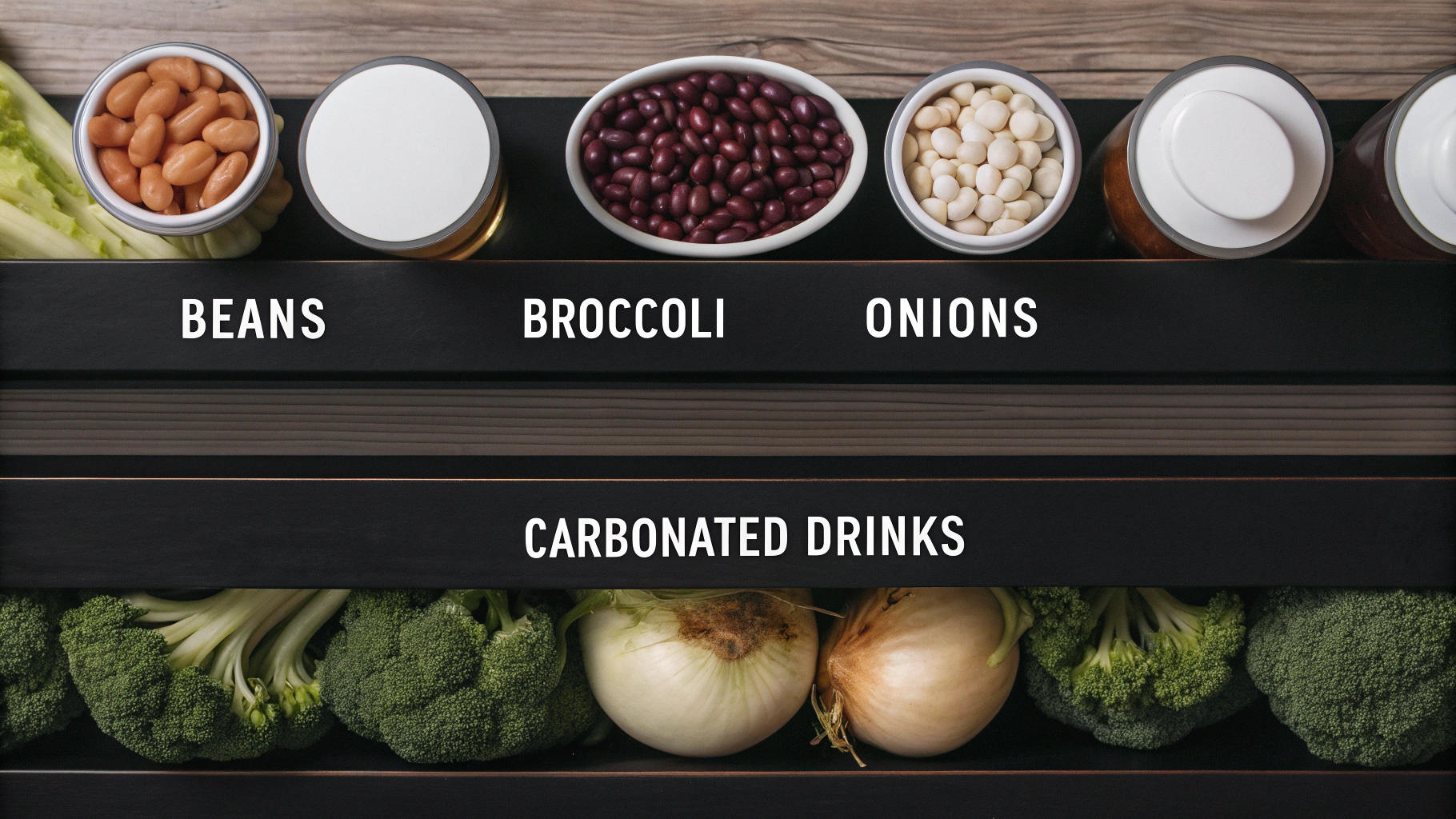
Bloating and excessive gas are common digestive complaints that can make you feel uncomfortable and sluggish. While occasional bloating is normal, frequent episodes might be linked to your diet and digestive health. Understanding what foods cause gas and bloating can help you make better choices and improve your gut comfort. If you experience persistent symptoms, consulting the best stomach doctor in Delhi can help diagnose the root cause and provide effective treatment.
1. Legumes and Beans
Beans, lentils, and chickpeas are packed with fiber and protein but also contain oligosaccharides — complex sugars that your body struggles to break down. When these sugars reach the colon, they ferment and produce gas, leading to bloating. Soaking beans before cooking or using digestive enzymes can help reduce this effect.
2. Cruciferous Vegetables
Vegetables like broccoli, cauliflower, cabbage, and Brussels sprouts are highly nutritious but contain raffinose, another gas-producing sugar. Cooking these vegetables thoroughly helps make them easier to digest and reduces bloating.
3. Dairy Products
Many people experience gas and bloating after consuming milk, cheese, or ice cream due to lactose intolerance. The body’s inability to digest lactose — the sugar in milk — leads to fermentation in the gut. Choosing lactose-free dairy alternatives or plant-based milk can help ease discomfort.
4. Carbonated Drinks
Soda, sparkling water, and beer introduce carbon dioxide gas into your digestive system. This trapped gas can cause a feeling of fullness and bloating. Limiting fizzy drinks and opting for still water can reduce bloating significantly.
5. Processed and Fatty Foods
Fast foods, chips, and deep-fried items are difficult for your stomach to process. High-fat meals slow digestion, causing a heavy, bloated feeling. Instead, choose lighter meals rich in fiber, lean protein, and healthy fats for smoother digestion.
6. Artificial Sweeteners
Sugar substitutes like sorbitol, mannitol, and xylitol found in sugar-free gums and candies can cause gas and diarrhea in some people. The body doesn’t fully absorb these sweeteners, allowing them to ferment in the intestines.
7. Onions and Garlic
Onions and garlic contain fructans, which can lead to bloating when poorly absorbed in the small intestine. Cooking them well or using alternatives like chives and garlic-infused oil can help if you’re sensitive.
When to See a Doctor
If gas and bloating occur frequently or are accompanied by abdominal pain, diarrhea, or weight loss, it may signal an underlying digestive issue such as Irritable Bowel Syndrome (IBS), lactose intolerance, or food sensitivities. Seeking advice from the best stomach doctor in Delhi can help identify the cause and guide you toward dietary changes and medical solutions tailored to your needs.
Final Thoughts
Occasional bloating is normal, but persistent digestive discomfort shouldn’t be ignored. By identifying trigger foods and maintaining a balanced diet, you can significantly improve gut health. For expert diagnosis and personalized treatment, consult the best stomach doctor in Delhi and take the first step toward a healthier digestive system.
Leave a Reply