
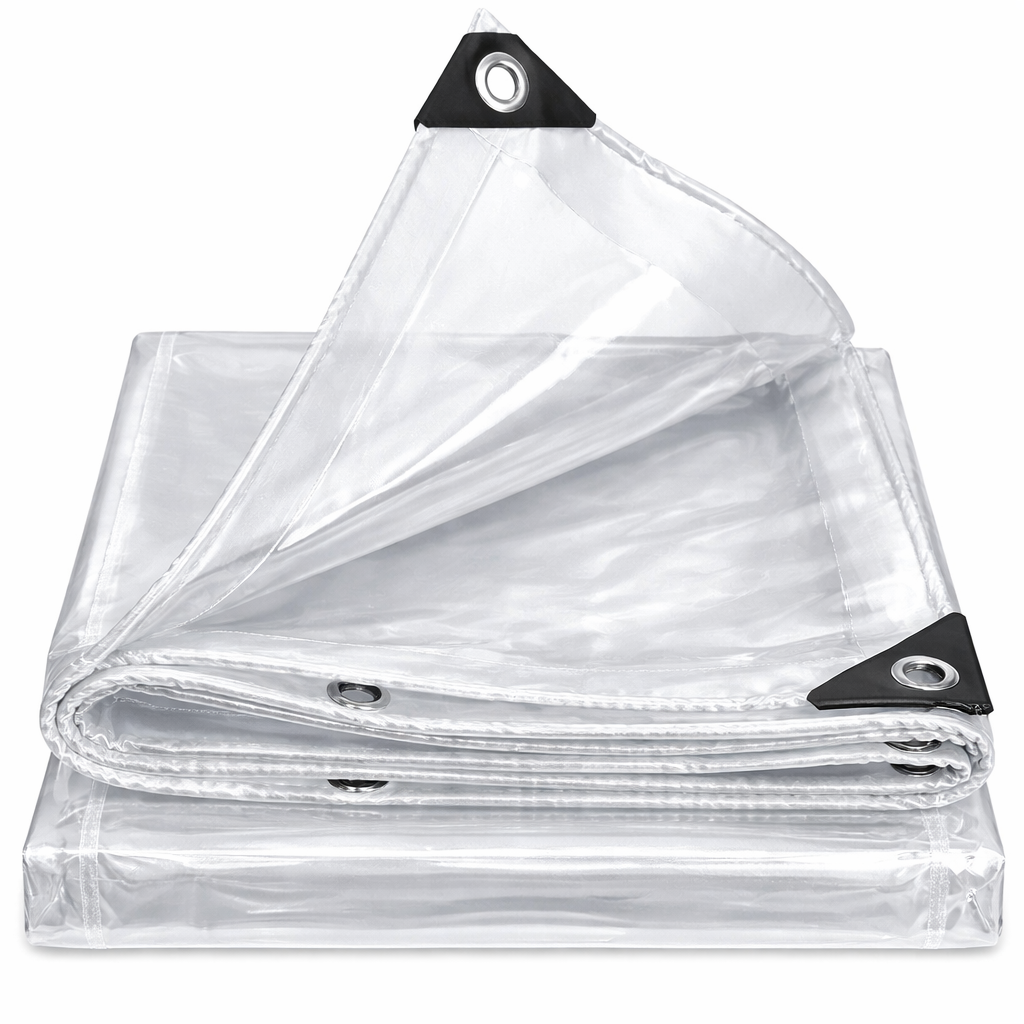
Tarpaulins, also known as tarps, are durable sheets made from a variety of materials, including polyethylene, canvas, and vinyl, and they are used for many applications, including covering products, preventing areas from getting wet, and creating shelters. When buying a Tarpaulin, you will often see words like waterproof and water proof. While it may seem like they have the same meaning, they are very different. Understanding the differences can help you make the right tarp purchasing decision for your needs.
What Does Waterproof Mean?
A waterproof tarp is designed to keep water from traveling through it at all. The material will not allow water to saturate, even in heavy rains for an extended period of time. Waterproof tarps often come with coatings or laminated material that create a sealed fabric. Waterproof tarpaulins are the best option when you need complete protection from water.
For example, when covering a load on the back of a truck during a storm, a waterproof tarp will keep everything underneath dry. Farmers use waterproof tarps to protect hay, crops, or machinery from heavy rain. Because no water can travel through, it is also good to use as a temporary roof or shelter.
What Does Water-Resistant Mean?
Water-resistant tarps are designed to block water for a considerable amount, but not totally. Water-resistant material has some protection against moisture, but if it is faced with strong rain or is subjected to endless rain, the water will come through. Water-resistant tarps are coated with special materials that slow down moisture absorption, but they are not made for extreme wet situations.
Water-resistant tarps are good for temporary covering, light rain, or when constituents accept that some water will get through, as long as it is limited. For instance, covering some backyard or outdoor furniture for a short rainy season, covering construction materials on a dry day with very light showers, etc.
The Key Difference
The fundamental difference between waterproof and water-resistant tarps is simply how much water they can stop. Waterproof tarps are impermeable to water, but water-resistant tarps are only relatively resistant to water. It is similar to comparing a rubber raincoat to a light jacket that has been treated with a water-repellent spray. The raincoat will keep you completely dry, while the jacket will only keep you dry in light rain.
When to Choose Waterproof Tarpaulin
When you know that your items will be under very heavy rain or in direct water contact for an extended period, then you want a waterproof tarp. Waterproof Clear Tarpaulin sheets are ideal for camping in the rainy season, covering boats, or if you are trying to make a shelter while it is storming. A waterproof tarp will also work for construction sites if you want to keep materials completely dry.
Waterproof tarps are usually heavier and more heavy-duty tarps and will generally cost you more, but they will keep your items protected in a way a standard tarp cannot. If the only concern with your tarp is keeping the water out completely, this will be your best option.
When to Choose Water-Resistant Tarpaulin
A tarp that is water-resistant is sufficient for applications that require just basic protection. For example, if you are shading an area from mild rain, covering garden furniture, or keeping items under a roof, but you just want some added protection, a water-resistant tarp is fine. They tend to be smaller, more easily folded, and less expensive.
These tarps are also a good option for temporary use. If you only need these for the short term, they could be a cost savings while still providing reasonable protection.
Factors to Consider Before Buying
Before deciding whether to buy waterproof or water-resistant tarps, consider your intended use of them. Ask yourself questions, such as, Will the tarp be exposed to heavy rains? Will you use it for short-term use, for example, a couple of days, or long-term, for example, months, from continuous exposure to the elements? Will the tarp be exposed to any weather conditions, or will it be in a more predictable environment? Your answers will help determine what type of tarp you to buy.
In addition to your intended use, consider the material. Vinyl and polyethylene can often be waterproof, while cotton or canvas are often only water-resistant unless treated. Also, the thickness of the tarp, which is often measured with “mils” or “gsm”, can contribute to the tarp’s performance in wet conditions. Read This
Final Thoughts
Waterproof tarpaulins and water-resistant tarpaulins each have their place and purpose. Waterproof tarpaulins give complete protection from rain and are better suited for continuous or heavy-duty use. Water-resistant tarpaulins work best for light rain or a temporary use case scenario. The decision comes down to your needs, budget, and anticipated weather conditions.
By knowing the difference, you can make a well-informed decision to protect your items from the elements and the rain.
Leave a Reply