
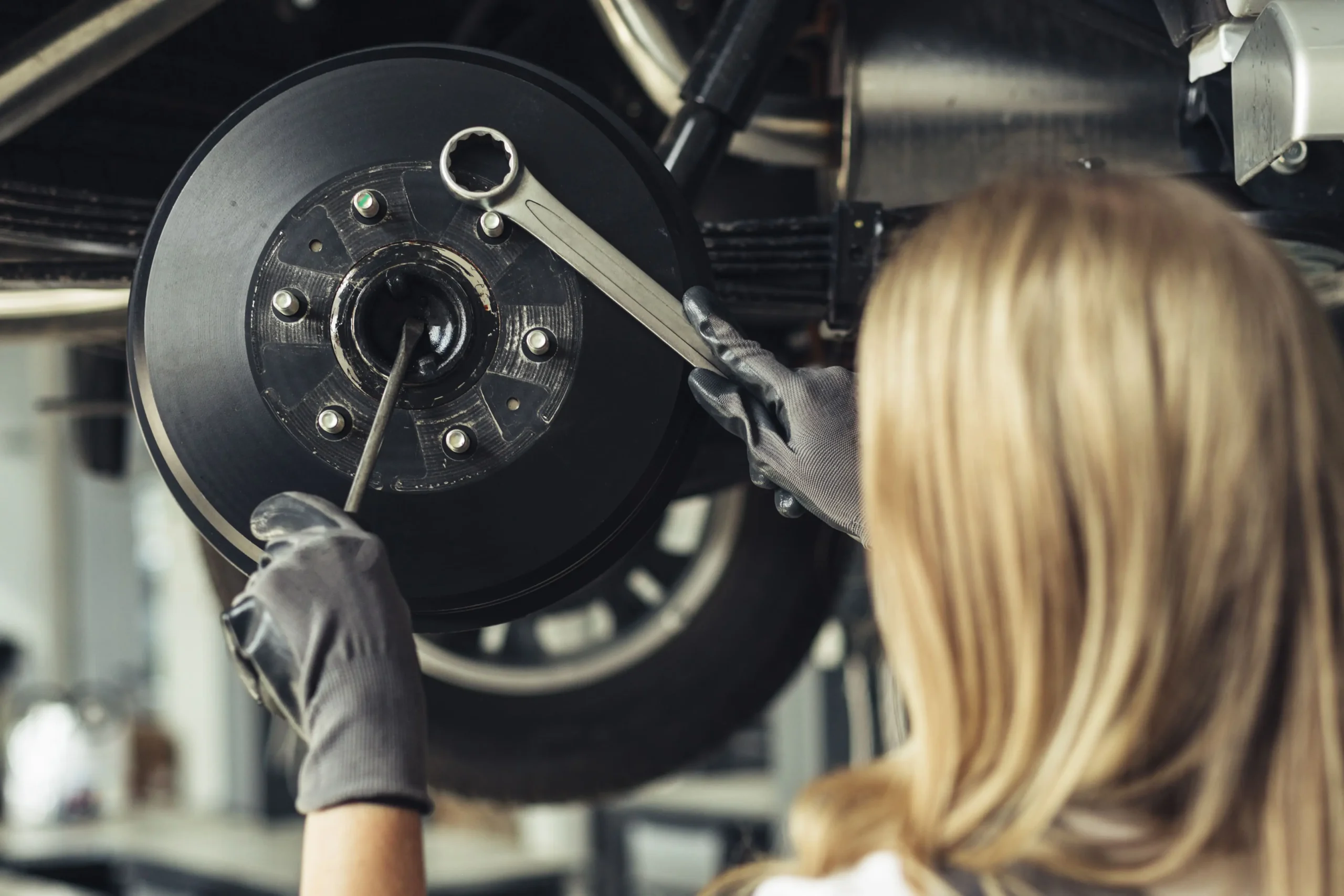
Brakes are one of the most critical components of your vehicle, yet they often don’t get the attention they deserve—until a problem arises. One common issue many drivers face is glazed brakes. If you’ve ever wondered what does it mean when brakes are glazed, or noticed a change in your car’s braking performance, this article is for you. Let’s break down the causes, symptoms, solutions, and prevention methods for glazed brakes in a way that’s easy to understand.
What Are Glazed Brakes?
Glazed brakes occur when the brake pads or rotors develop a smooth, shiny surface due to overheating or excessive friction. This glazing reduces the friction needed for proper braking, leading to decreased stopping power. In simple terms, it’s like trying to stop on a polished floor—the brakes just don’t grip as well as they should.
When it comes to your car’s safety, glazed brake pads or glazed brake rotors aren’t just annoying—they can compromise your ability to stop effectively.
Top Causes of Glazed Brakes
Understanding what causes glazed brakes can help you prevent them before they affect your driving. Here are the main reasons:
1. Excessive Braking
Constant heavy braking, especially on long descents, generates a lot of heat. This can cause your brake pads to overheat and become glazed. Drivers who frequently ride the brakes are particularly at risk.
2. Poor Quality Brake Pads
Low-quality brake pads may not withstand heat well. Over time, the friction material can break down, creating a glazed surface. Investing in high-quality pads is essential for both performance and safety.
3. Improper Bedding of New Pads
When new pads are installed, they need to be “bedded in” correctly. If this process is skipped or done incorrectly, uneven contact with the rotors can lead to glazing.
4. Contaminants on Brake Surfaces
Oil, grease, or other contaminants on the rotors or pads can contribute to glazing. Even a small amount of fluid on your brakes can create a slick surface that reduces stopping power.
5. Aggressive Driving
Frequent hard stops or sudden braking increases friction and heat, making it easier for the pads to glaze. Smooth, controlled braking reduces the risk.
Symptoms of Glazed Brake Pads
Knowing the symptoms of glazed brake pads helps you spot the issue early. Look out for:
- Squealing or squeaking noises when braking
- Reduced braking performance, requiring longer stopping distances
- Vibration or pulsation through the brake pedal
- Shiny or polished appearance on brake pads or rotors
If you notice any of these signs, it’s time to schedule a brake service or brake flush service to prevent further damage.
How to Fix Glazed Brakes
If your brakes are already glazed, don’t panic. There are several ways to address the problem:
1. Resurfacing the Rotors
Glazed rotors can often be resurfaced or “turned” by a professional. This restores a smooth, even surface for proper pad contact.
2. Replacing Brake Pads
Sometimes, the most effective solution is to replace the glazed brake pads entirely. High-quality pads that are correctly bedded will restore optimal braking performance.
3. Professional Brake Service
A thorough inspection by an experienced mechanic at Kwik Kar Auto Dallas can identify the exact cause and recommend the best solution, whether it’s resurfacing, replacement, or a full brake flush service.
How to Prevent Glazed Brakes
Prevention is always better than cure. Here are some practical tips to avoid glazed brakes:
- Avoid Riding the Brakes: Keep your foot off the pedal unless necessary, especially on long downhill stretches.
- Use High-Quality Brake Pads: Invest in reliable pads that handle heat well.
- Proper Bedding of New Pads: Ensure new pads are installed and bedded correctly.
- Regular Brake Maintenance: Schedule regular car repair services in Dallas to keep your braking system in top condition.
- Gentle Driving Habits: Smooth, controlled braking generates less heat and wear.
Are Glazed Brakes Dangerous?
Yes. Driving with glazed brakes reduces your vehicle’s stopping power, which can be dangerous in emergency situations. Even minor glazing can affect braking performance, so it’s crucial to address the issue promptly.
By paying attention to your brakes and addressing issues early, you can maintain both safety and performance. At Kwik Kar Auto Dallas, we provide comprehensive auto repair in Dallas, including brake inspections, flush services, and repairs to keep your car in top condition.
Final Thoughts
Glazed brakes are a common yet preventable issue that affects braking performance and safety. By understanding what are glazed brakes, recognizing the signs, and taking proactive measures, you can avoid costly repairs and maintain confidence behind the wheel.
If you’re in Dallas and need expert brake service or auto repair in Dallas, visit Kwik Kar Auto Dallas for a professional inspection. Our team ensures your brakes are functioning perfectly, keeping you and your passengers safe on every drive.
Visit our website today to schedule your service and learn more about keeping your car in top condition.
FAQs About Glazed Brakes
1. What Causes Glazed Brakes?
Glazed brakes are caused by excessive heat, poor-quality pads, improper bedding, contaminants, or aggressive driving.
2. How Can I Tell If My Brakes Are Glazed?
Symptoms include squealing, reduced braking performance, vibrations, and a shiny appearance on pads or rotors.
3. Can Glazed Brakes Be Fixed Without Replacement?
Yes. In some cases, resurfacing the rotors or correcting the bedding of the pads can fix glazed brakes without full replacement.
4. How Can I Prevent Glazed Brakes?
Avoid riding the brakes, use high-quality pads, ensure proper bedding, maintain your braking system, and drive smoothly.
5. Are Glazed Brakes Dangerous to Drive With?
They can be. Glazing reduces braking effectiveness, increasing stopping distances and the risk of accidents.
Leave a Reply