
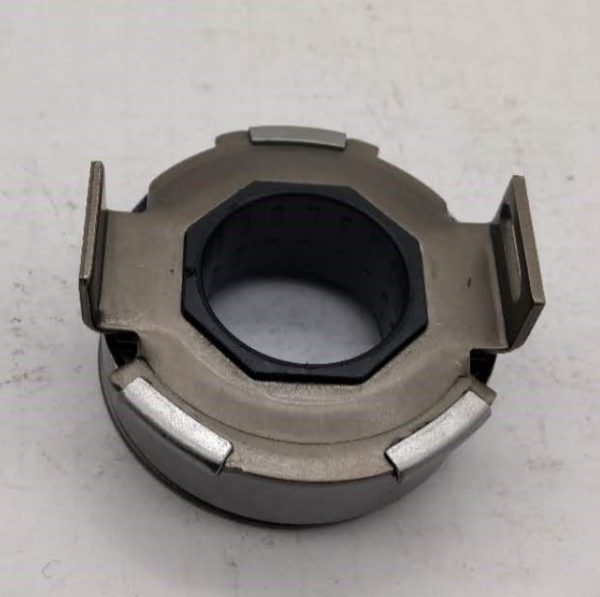
If shifting gears has started to feel stiff, noisy, or jerky, many drivers assume the clutch plate is worn out. But there’s another hidden part that often causes the trouble — the clutch release bearing.
When this small component begins to fail, it can make every gear change stressful, noisy, and eventually very expensive. Ignoring the symptoms for too long can damage your clutch assembly — and even your transmission.
Let’s look at why this part matters, and why replacing it at the right time can save you serious repair costs.
What Does a Clutch Release Bearing Actually Do?
The clutch system connects and disconnects the engine from the gearbox. The clutch release bearing sits between the clutch fork and pressure plate.
Each time you press the pedal:
-
It reduces friction
-
Allows smooth disengagement
-
Ensures silent, controlled shifting
Over time, heat, friction, lack of lubrication, and aggressive driving wear it down. When it starts to fail, the first signs usually appear as noise or vibration while pressing the clutch pedal.
Warning Signs You Should Never Ignore
If you notice any of these symptoms, have your clutch release bearing checked immediately:
-
Squeaking, chirping, or grinding sound when pressing the clutch
-
Pedal vibration or stiffness
-
Difficulty shifting into first or reverse
-
Burning smell after driving in traffic
-
Clutch slipping or dragging
Continuing to drive like this can damage the pressure plate, clutch disc, and flywheel — multiplying your repair bill.
To avoid bigger problems, replacing the clutch release bearing early is always the smarter choice.
Why Quality Matters More Than Price
A low-quality bearing may work at first, but it wears out faster and can overheat under pressure. Investing in a durable clutch release bearing delivers:
-
Quieter operation
-
Smoother pedal response
-
Better clutch life
-
Reduced vibration and friction
-
Long-term reliability
Because this part sits deep inside the transmission, labor costs are usually higher than the part itself — which makes choosing the right bearing essential.
When Should You Replace It?
Most mechanics recommend inspecting the clutch release bearing whenever:
-
The clutch disc is replaced
-
You hear noise when pressing the pedal
-
Gear engagement becomes difficult
-
The pedal feels heavy or inconsistent
Replacing the bearing along with the clutch kit prevents future teardown and saves both time and money.
Final Thought
A failing clutch release bearing won’t heal on its own. The longer you delay repairs, the more components get affected — and the more uncomfortable every drive becomes.
Taking action early protects your gearbox, extends clutch life, and restores smooth, confident shifting.
Leave a Reply