
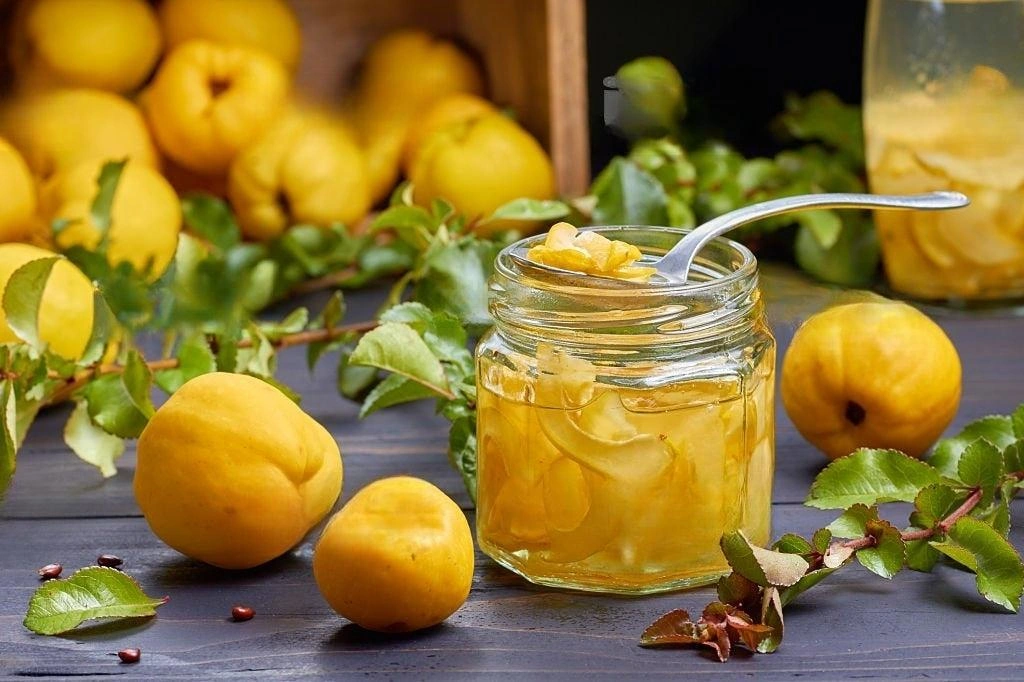
Quince murabba is one of those timeless preserves that quietly holds a place of honor in South Asian kitchens. Loved for its ruby-red color, floral aroma, and gentle sweetness, this traditional treat is especially popular during winter months in Pakistan. Made from quince, a fruit that looks like a golden apple but tastes quite tart when raw, quince murabba transforms patience and care into a spoonful of comfort.
In Pakistani households, this preserve is more than just a sweet—it is often associated with wellness, hospitality, and heritage. Below is a detailed guide that explores its history, benefits, preparation, and cultural importance, with a special focus on safar jal, the Urdu name for quince.
What Is Quince Murabba?
Quince murabba is a slow-cooked fruit preserve prepared by simmering peeled quince pieces in sugar syrup until they turn soft, glossy, and deep red. The process may take hours or even days, but the result is a jar filled with jewel-like fruit segments suspended in thick, fragrant syrup.
In Pakistan, murabba is commonly enjoyed at breakfast with paratha, chapati, or plain bread. It is also served in small quantities after meals, especially in winter, due to its warming nature.
Understanding Safar Jal
Safar jal is known for its hard texture and sour taste when raw, which is why it is rarely eaten fresh. Once cooked, however, the fruit releases a delicate fragrance and a unique flavor that sits somewhere between apple and pear, with subtle floral notes.
This fruit is traditionally grown in colder regions and becomes widely available in Pakistani markets during late autumn and winter. Its seasonal nature adds to its value and charm.
Cultural Importance of Murabba in Pakistan
Murabba-making is an old culinary tradition passed down through generations. In many Pakistani families, elders take pride in preparing homemade preserves, believing them to be healthier and more effective than store-bought alternatives.
Quince murabba, in particular, is often associated with care and respect. Serving it to guests or elders is considered a thoughtful gesture, as it is believed to support digestion and overall vitality.
A Winter Staple in Desi Kitchens
During cold months, foods with warming properties are preferred. Safar jal murabba is considered “garam taseer” in traditional terms, making it a popular addition to winter breakfasts. Many people enjoy just one or two pieces daily rather than large portions.
Health Benefits of Quince Murabba
Although murabba contains sugar, it is still valued in moderation for its traditional health benefits. These benefits are rooted in centuries of Unani and home-based knowledge rather than modern medical claims.
Digestive Support
Safar jal is known to be gentle on the stomach. When cooked into murabba, it is often consumed to help with digestion, especially after heavy meals.
Seasonal Wellness
In winter, quince murabba is believed to help the body cope with cold weather. Many households serve it to elders or people recovering from seasonal weakness.
Rich in Natural Compounds
Quince contains natural fiber and plant compounds that survive the slow-cooking process to some extent. While murabba should not be seen as a health food, it is considered a better option than many artificial sweets when eaten mindfully.
How Quince Murabba Is Traditionally Prepared
Making quince murabba at home requires time, but the steps themselves are simple. The key is patience and gentle cooking.
Ingredients Commonly Used
-
Fresh safar jal (quince)
-
Sugar
-
Water
-
Lemon juice
-
Optional spices such as cloves or cardamom
Preparation Method Overview
First, the fruit is washed, peeled, and cut into equal-sized pieces. These pieces are often soaked in water to prevent discoloration. They are then lightly boiled or blanched to soften them slightly.
Next, a sugar syrup is prepared separately. The quince pieces are added to this syrup and cooked on low heat. Over time, the fruit absorbs the syrup, changes color, and becomes tender. Lemon juice is added near the end to balance sweetness and help preserve the murabba.
The final product is cooled and stored in clean, airtight glass jars.
Tips for Perfect Color and Texture
Achieving the signature deep red color is one of the most desired aspects of quince murabba. This color develops naturally through slow cooking and exposure to air.
Cooking Low and Slow
High heat can break the fruit or turn the syrup cloudy. Traditional recipes emphasize slow cooking over several sessions to allow the color to deepen naturally.
Equal-Sized Pieces Matter
Cutting safar jal into uniform pieces ensures even cooking. This helps maintain a pleasing texture where the fruit is soft but not mushy.
How to Store and Serve Quince Murabba
Proper storage is essential to enjoy murabba for months.
Storage Guidelines
Once completely cooled, quince murabba should be stored in sterilized glass jars. It should be kept in a cool, dry place, away from direct sunlight. When handled with a clean, dry spoon, it can last for a long time without refrigeration.
Serving Suggestions
In Pakistan, it is commonly served:
-
With paratha or roti at breakfast
-
Alongside plain yogurt
-
As a small sweet portion after meals
Only a small amount is usually consumed at a time, making it a slow-enjoyed delicacy.
Safar Jal Murabba in Modern Pakistani Homes
While ready-made murabba is easily available in markets, many families still prefer homemade versions. Preparing it at home allows control over sugar levels and ensures purity.
Younger generations are also rediscovering traditional foods, appreciating how recipes like quince murabba connect them to their roots while fitting into a balanced lifestyle.
Final Thoughts
Quince murabba is more than just a preserve—it is a reflection of patience, tradition, and seasonal wisdom. Using safar jal, this classic preparation turns a hard, sour fruit into a comforting delicacy treasured across Pakistan.
Whether enjoyed for its taste, cultural value, or traditional benefits, quince murabba continues to hold its place on Pakistani breakfast tables. Made with care and consumed in moderation, it remains a beautiful example of how simple ingredients can create something truly special.
Leave a Reply