
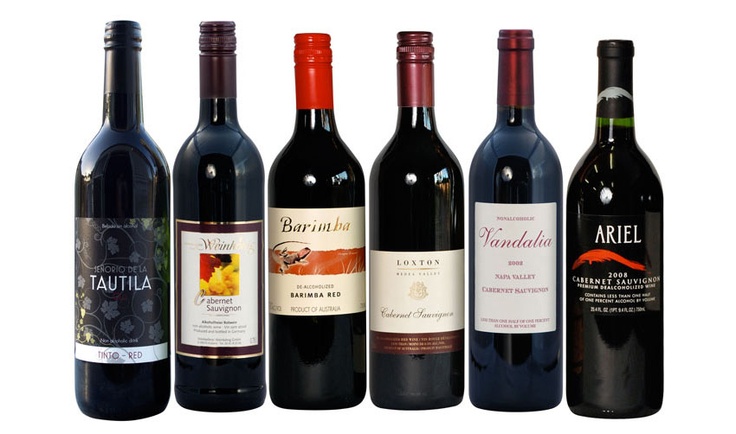
The landscape of modern beverages has undergone a dramatic evolution, and one of the most notable transformations is the rapid rise of non-alcoholic wines. These refined alternatives offer the aroma, body, and complexity of traditional wine without the intoxicating effects. As people worldwide adopt healthier habits, practice mindful drinking, and enjoy alcohol-free social experiences, this category has become a staple in homes, restaurants, corporate events, and celebrations. More individuals are exploring new ways to indulge in rich flavours without compromising well-being, making this a rapidly expanding segment within the global drinks industry.
Understanding What Non-Alcoholic Wines Really Are
At their core, these beverages begin their journey just like any traditional wine. Grapes are harvested at peak ripeness, pressed, fermented, and aged to bring out unique layers of aroma and taste. The crucial difference comes later, during the dealcoholisation process. Unlike simple grape juices, these beverages undergo full fermentation, which is why they retain the distinctive structure and mature notes associated with wine. After fermentation, alcohol is carefully removed using advanced technology, leaving behind a drink that delivers an authentic wine-like experience without exceeding 0.5% ABV.
This allows individuals to enjoy the ritual of wine drinking while staying completely clear-headed and comfortable.
Why People Are Choosing This Modern Beverage
The shift toward balanced living has played a major role in the growth of this category. Many people want to unwind, celebrate, or enjoy a dinner pairing without consuming alcohol. Others are driven by wellness goals, dietary restrictions, pregnancy, fitness commitments, or simply a desire to avoid hangovers and long-term health effects. For such consumers, non-alcoholic wines present the perfect solution. They provide sophistication, inclusion, and flavour without any social or physical consequences.
Another significant factor is the improvement in quality. Early alcohol-free wines often tasted flat or overly sweet, but today’s versions are crafted using state-of-the-art extraction techniques, resulting in far more layered, expressive, and enjoyable profiles.
How These Wines Are Produced
Removing alcohol while preserving aroma and depth requires highly controlled processes. Three main methods are common in modern production:
Vacuum Distillation
By lowering the pressure inside the equipment, alcohol evaporates at a far lower temperature, preventing flavour loss and preserving delicate organic compounds.
Reverse Osmosis
Wine passes through ultra-fine membranes that separate alcohol and water from essential flavour elements. These elements are then recombined with purified water to recreate the original profile—minus the alcohol.
Spinning Cone Technology
This advanced method gently separates volatile aromatic compounds before extracting the alcohol. The flavours are added back afterward to produce a rich, balanced drink.
Each technique aims to maximize authenticity and bring the final product as close as possible to traditional wine.
A Look at the Different Styles Available
Today’s market offers a wide selection, ensuring something for every preference:
Sparkling Varieties
Crisp, refreshing, and celebratory—perfect for parties, brunches, and special occasions.
Still White Wines
Bright acidity, floral aromas, and subtle fruit notes make these ideal for seafood, salads, and light meals.
Still Red Wines
Crafted using grapes like Cabernet Sauvignon or Shiraz, these options offer smooth tannins and deep flavours that complement heartier dishes.
Rosé Options
Delicate, fruity, and versatile, ideal for warm evenings or alfresco dining.
Sweet and Dessert Styles
Lush and aromatic selections designed for after-dinner enjoyment or pairing with pastries and cheeses.
The growing range means that both casual drinkers and seasoned wine enthusiasts can find something that suits their palate.
Health Benefits and Wellness Advantages
One of the biggest reasons people are turning to alcohol-free beverages is the health advantage. Without alcohol, these drinks are much lower in calories, making them a smart choice for weight management or fitness-conscious individuals. They also eliminate the risks of dehydration, disturbed sleep, blood sugar spikes, and liver strain that come with alcoholic drinks.
Additionally, because the base ingredients remain the same, many of the beneficial antioxidants—such as polyphenols and flavonoids—remain present. These compounds contribute to heart health, reduce inflammation, and support overall wellness. With non-alcoholic wines, consumers can enjoy the taste and ritual of wine while making healthier choices.
Perfect Moments for Enjoying These Wines
These beverages fit effortlessly into countless occasions:
- Elegant dinners with family and friends
- Corporate events where professionalism matters
- Weddings, baby showers, and social celebrations
- Outdoor gatherings, picnics, and beach parties
- Daily meals for those who don’t want alcohol but still love flavour
They offer inclusivity, allowing everyone to participate without feeling left out.
What Foods Do They Pair Well With?
Food pairing with non-alcoholic alternatives is surprisingly simple. Much like traditional wine, acidity, tannins, and aromas influence how well they match with dishes:
- Sparkling styles work beautifully with seafood, salads, and cheese boards.
- White styles enhance pasta, poultry, and fresh vegetables.
- Red styles pair perfectly with steak, pizza, and roasted dishes.
- Rosé options go well with barbecue, sandwiches, and light desserts.
Because the flavour structure remains similar, pairing feels familiar and intuitive.
The Market Boom and Future Potential
The last few years have seen a remarkable rise in demand for alcohol-free beverages. Retailers, restaurants, wellness brands, and even luxury hotels have expanded their offerings. Social media influence, improved production methods, and global health consciousness have all contributed to this surge.
Brands are now experimenting with premium grapes, barrel aging, creative blends, and more natural ingredients. As innovation continues, non-alcoholic wines are becoming more refined, more accessible, and more appreciated. Analysts predict strong growth in this category for many years to come, making it an exciting space with huge potential.
Conclusion
Non-alcoholic wines have transformed the idea of alcohol-free indulgence. They offer elegance, aroma, and depth—without intoxication—making them a perfect fit for modern lifestyles centred on wellness, balance, and mindful enjoyment. With production techniques becoming more advanced and consumer acceptance reaching new heights, these wines are no longer considered a substitute but a celebrated choice in their own right. As the industry continues to grow, it is redefining how people drink, celebrate, and connect—one alcohol-free glass at a time.
Leave a Reply