
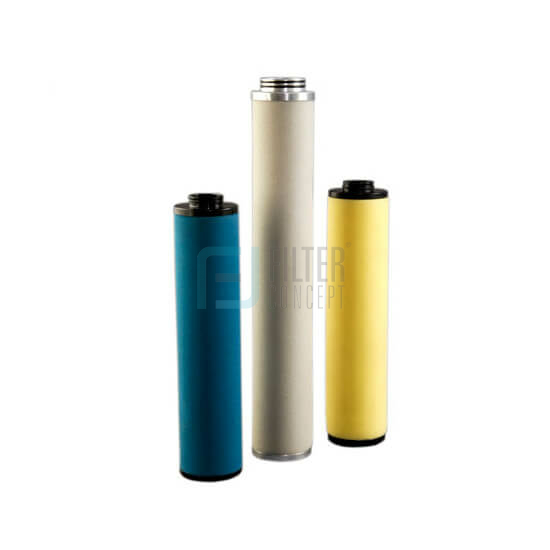
Compressed air is often called the fourth utility of industry, alongside electricity, water, and gas. It powers tools, controls automation, supports manufacturing, and plays a critical role in sectors such as food processing, pharmaceuticals, automotive, textiles, and electronics. However, the effectiveness of compressed air does not depend only on the compressor itself. One essential yet often underestimated component is the Compressed Air Filter. Without proper filtration, compressed air systems can suffer from contamination, inefficiency, equipment damage, and product quality issues.
This blog explores the importance of compressed air filters, how they work, different types available, their benefits, applications, and how to choose the right filter for your system.
Understanding What a Compressed Air Filter Does
A compressed air filter is designed to remove contaminants from compressed air before it reaches downstream equipment or processes. During compression, ambient air is drawn into the system along with dust, moisture, oil vapors, microorganisms, and other impurities. As air pressure increases, these contaminants become more concentrated and potentially harmful.
Compressed air filters trap and eliminate these unwanted elements, ensuring that the air delivered is clean, dry, and safe for use. Filtration is not optional in modern systems—it is a fundamental requirement for reliability and performance.
Common Contaminants Found in Compressed Air
Before understanding filter types, it is important to know what needs to be removed. Typical contaminants include:
- Solid particles: Dust, rust, scale, pollen, and other airborne debris
- Water: Moisture from atmospheric humidity that condenses during compression
- Oil aerosols: Lubricating oil carried over from compressors
- Oil vapors: Gaseous hydrocarbons that can condense later
- Microorganisms: Bacteria and mold, especially in humid environments
Each of these contaminants can cause corrosion, blockages, reduced efficiency, and even health risks depending on the application.
Why a Compressed Air Filter Is Essential
Using a compressed air filter is not just about cleanliness; it directly impacts operational efficiency and costs. Here are some key reasons why filtration matters:
Equipment Protection
Unfiltered air can damage valves, cylinders, pneumatic tools, and instruments. Abrasive particles accelerate wear, while moisture and oil lead to corrosion and seal failure.
Improved Product Quality
In industries like food, beverages, pharmaceuticals, and electronics, air quality can directly affect the final product. Contaminated air may cause spoilage, defects, or regulatory non-compliance.
Energy Efficiency
Dirty air causes pressure drops across the system, forcing compressors to work harder. Clean filtration reduces resistance and lowers energy consumption.
Reduced Maintenance Costs
By preventing contamination-related damage, compressed air filters extend equipment life and minimize unplanned downtime.
Types of Compressed Air Filters
Different applications require different levels of air purity. Below are the most common types of compressed air filters used in industrial systems.
Particulate Filters
These filters remove solid particles such as dust, rust, and pipe scale. They are typically the first stage of filtration and protect downstream components from physical damage.
Coalescing Filters
Coalescing compressed air filters are designed to remove fine oil aerosols and water droplets. They work by forcing small droplets to merge into larger ones, which are then drained away. These filters are essential in most industrial setups.
Activated Carbon Filters
Activated carbon filters eliminate oil vapors, odors, and hydrocarbon gases. They are commonly used where air purity is critical, such as breathing air systems, pharmaceutical production, and food packaging.
High-Efficiency Filters
These filters provide ultra-fine filtration, removing extremely small particles and aerosols. They are often used in cleanroom environments and sensitive manufacturing processes.
Sterile Filters
Sterile compressed air filters remove microorganisms and are designed for applications where air comes into direct contact with consumables or medical products.
How Compressed Air Filters Work
While designs may vary, the basic working principle remains similar. Contaminated air enters the filter housing and passes through a filter element. Depending on the filter type:
- Solid particles are trapped within the filter media
- Oil and water droplets coalesce and are separated by gravity
- Vapors are adsorbed by activated carbon
Automatic or manual drain systems remove collected liquids, ensuring continuous filtration without system interruption.
Applications of Compressed Air Filters
Compressed air filters are used across a wide range of industries. Some common applications include:
- Manufacturing plants: Powering pneumatic tools and machinery
- Food and beverage industry: Packaging, processing, and bottling
- Pharmaceuticals: Clean air for production and packaging
- Automotive industry: Painting, assembly, and automation
- Textile industry: Looms and air-jet machines
- Electronics: Clean, dry air for sensitive components
Each application demands a specific air quality standard, making filter selection critical.
Choosing the Right Compressed Air Filter
Selecting the right compressed air filter requires careful consideration of several factors:
Air Quality Requirements
Determine the level of cleanliness needed for your application. Standards such as ISO 8573 define acceptable contamination levels.
Flow Rate and Pressure
The filter must handle the system’s airflow without causing excessive pressure drop.
Type of Compressor
Oil-lubricated and oil-free compressors produce different contaminants, influencing filter choice.
Operating Environment
High humidity, temperature variations, and dust levels affect filtration needs and maintenance schedules.
Maintenance and Replacement
Choose filters with easily replaceable elements and reliable drain mechanisms to simplify upkeep.
Maintenance Best Practices for Compressed Air Filters
Even the best compressed air filter requires proper maintenance to perform effectively. Key practices include:
- Regular inspection for pressure drop
- Timely replacement of filter elements
- Ensuring drains are functioning correctly
- Monitoring air quality downstream
Neglecting maintenance can lead to clogged filters, reduced airflow, and increased energy costs.
The Long-Term Value of Investing in Quality Filtration
While some businesses view compressed air filters as an added expense, they are actually a long-term investment. High-quality filtration reduces operational risks, protects expensive equipment, and ensures consistent performance. Over time, savings from lower energy consumption, reduced downtime, and improved product quality far outweigh the initial cost.
Conclusion
A Compressed Air Filter is a vital component in any compressed air system, playing a key role in maintaining air quality, efficiency, and reliability. From removing solid particles and moisture to eliminating oil vapors and microorganisms, the right filtration setup ensures that compressed air is safe and fit for purpose. By understanding filter types, applications, and maintenance requirements, businesses can optimize their systems and achieve smoother, more cost-effective operations.
In today’s competitive industrial environment, clean compressed air is not a luxury—it is a necessity. Investing in the right compressed air filter solution is a step toward higher productivity, better quality, and long-term system health.
Leave a Reply