
Introduction: Software Takes the Wheel
The modern automobile is no longer defined solely by steel, torque, and combustion. It is increasingly governed by code. Software-defined vehicles are reshaping how cars age, how they depreciate, and how buyers assess value in the used market.
This transformation raises a critical question. Does software extend a car’s relevance or quietly accelerate its obsolescence?
Understanding Software-Defined Vehicles
What Makes a Vehicle Software-Defined
A software-defined vehicle relies on centralized computing systems that control everything from infotainment to braking logic. Features once locked at the factory can now evolve post-purchase. The car becomes a mutable object, altered through updates rather than mechanical intervention.
This flexibility sounds advantageous. Yet it introduces dependencies that traditional vehicles never carried.
Hardware as a Platform, Not the Product
In this paradigm, hardware becomes a host rather than a finished artifact. Screens, sensors, and processors serve future functionality that may or may not materialize. When software support ends, even capable hardware can feel prematurely aged.
Used car buyers are learning to evaluate not just condition, but continued digital relevance.
Depreciation Patterns in the Age of Software
Traditional Depreciation vs Digital Aging
Historically, depreciation followed predictable curves. Mileage increased, components wore out, value declined. Software disrupts this linearity. A well-maintained car can lose appeal rapidly if its digital systems feel archaic or unsupported.
Digital aging can outpace mechanical wear. That inversion unsettles conventional valuation models.
The Risk of Obsolete Code
Outdated operating systems, unsupported apps, or incompatible connectivity standards reduce desirability. Unlike mechanical parts, software cannot always be retrofitted. This creates a silent depreciation factor, invisible until resale.
Savvy buyers now ask questions that would have seemed absurd a decade ago.
Over-the-Air Updates and Value Retention
Continuous Improvement After Purchase
Over-the-air updates can enhance long-term value. Performance tuning, safety improvements, and interface refinements keep vehicles current. In theory, this should slow depreciation and reward long-term ownership.
In practice, results vary widely between manufacturers.
When Updates Stop, Value Follows
Once updates cease, the advantage reverses. A car frozen in time becomes less competitive overnight. Buyers recognize this risk and price it in.
Used vehicles with a clear update roadmap command stronger interest.
Ownership, Licensing, and Hidden Constraints
Software Locks in the Used Car Market
Many features are no longer owned outright. They are licensed. Heated seats, driver assistance systems, even power upgrades may be subscription-based. In the used market, these features can disappear or require new payment agreements.
This ambiguity erodes buyer confidence.
Transferability and Its Impact on Resale
If features do not transfer seamlessly between owners, resale value suffers. Transparency becomes essential. Cars that offer full functionality without digital caveats hold their appeal longer.
This is where simplicity regains its charm.
Reliability Perception and Buyer Psychology
Trust in Proven Engineering
Buyers in the used market favor predictability. Complex software stacks introduce uncertainty, especially when long-term support is unclear. Mechanical reliability still matters, but digital stability now shares the stage.
Confidence is a powerful currency.
Why Buyers Still Prefer Predictability
Vehicles that function fully without constant updates feel safer to own. This psychological comfort influences pricing more than spec sheets suggest.
The emotional dimension of value should not be underestimated.
Japanese Used Cars in a Software-Driven Market
Balance Between Innovation and Longevity
Japanese manufacturers have traditionally emphasized durability and restrained innovation. Their approach to software has been more conservative, focusing on stability rather than spectacle.
This restraint is proving advantageous in the used market.
Relevance to the Best Japanese used cars UK
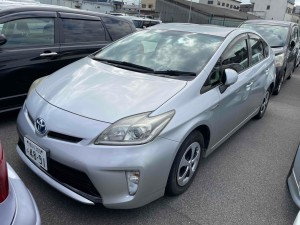
For buyers seeking the Best Japanese used cars UK, this balance is compelling. Vehicles that integrate essential software without overdependence retain usability for longer periods. They age gracefully, both mechanically and digitally.
Longevity remains a defining strength.
Long-Term Outlook for Used Car Buyers
What Will Hold Value in the Next Decade
Cars that combine solid engineering with sustained software support will dominate future resale charts. Excessive digital complexity without guarantees will struggle.
Durability, transparency, and update longevity will define value.
Smart Buying Strategies for Software-Aware Consumers
Buyers should evaluate software support history, feature ownership terms, and update policies alongside mileage and service records. Informed decisions reduce depreciation risk.
In an era where cars think as much as they move, wisdom lies in choosing balance over novelty.
Leave a Reply