
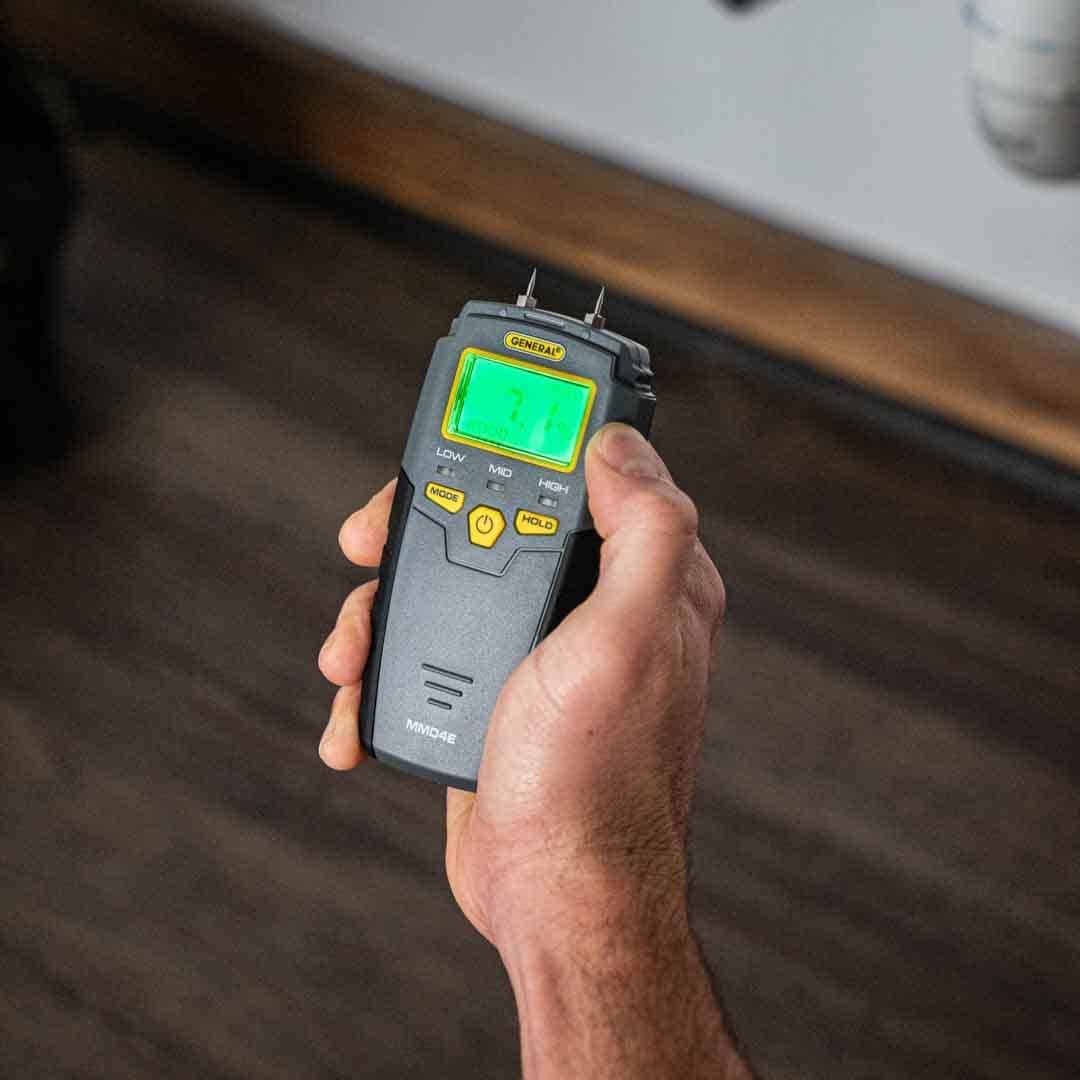
Moisture affects the strength, stability, and long-term performance of many natural and industrial materials. Whether it is construction timber, concrete, soil, fabric, grain, paper, or building structures, understanding moisture levels is essential for preventing damage, maintaining quality, and ensuring safety. This is why professionals and technicians depend on tools specially designed to measure moisture accurately. Among these tools, the moisture meter stands out for its versatility, speed, and reliability.
This article provides a complete overview of how these devices work, where they are used, and why they have become a vital part of modern inspection and quality control.
What Is a Moisture Detection Device?
A moisture meter is a handheld instrument used to assess the amount of moisture within a substance. It helps determine if a material is too wet, too dry, or within an acceptable range. The readings allow engineers, inspectors, farmers, and craftsmen to make accurate decisions about installation, repair, or material usage.
Today’s devices come with digital screens, multiple testing modes, and advanced sensors that deliver highly accurate results even in challenging environments.
How Moisture Measurement Technology Works
Moisture detection relies on how materials interact with electrical signals or electromagnetic waves. The technology mainly falls into two categories:
1. Pin-Type Instruments
These models use two metal pins inserted into the surface being tested. When an electrical current passes through the material, resistance is measured. Higher moisture content reduces resistance, allowing the device to calculate the approximate value. These instruments are ideal for wood, drywall, and deeper readings.
2. Pinless Instruments
Pinless models use a flat sensor plate that emits low-frequency electromagnetic waves. The waves penetrate the material and return data based on moisture levels. Because they do not damage the surface, these devices are excellent for polished wood, flooring, and larger surface areas.
Both types of tools provide fast feedback, making them suitable for on-site assessments and frequent inspections.
Where These Devices Are Commonly Used
Accurate moisture assessment is essential in multiple fields. Below are the industries that depend heavily on these devices:
Construction and Building Maintenance
Buildings are vulnerable to moisture-related problems such as dampness, mould, and structural weakening. Inspectors use these tools to check concrete, drywall, insulation, and roofing materials. Early detection helps prevent long-term damage.
Woodworking and Joinery
Wood expands and contracts depending on its moisture content. Craftsmen check lumber levels before cutting, shaping, or assembling it. Balanced moisture prevents warping, splitting, and instability in furniture and wooden structures.
Agriculture and Soil Management
Healthy crop growth depends on consistent moisture. Soil testing tools help farmers plan irrigation, avoid overwatering, and maintain ideal hydration levels for plant roots.
Floor Installation and Home Renovation
Subfloor conditions determine how well flooring materials perform. Installers test surfaces before applying tiles, vinyl, laminate, or hardwood to avoid future lifting, cracking, or bubbling.
Paper, Textiles, and Industrial Manufacturing
Many industries require specific moisture ranges to preserve product quality. Variations can affect durability, texture, and performance. Regular moisture measurement ensures consistency and compliance with quality standards.
Why Moisture Testing Is Important
Moisture plays a silent but powerful role across multiple processes. Its impact includes:
- Preventing structural damage in buildings
- Improving product quality in manufacturing
- Avoiding costly repairs caused by hidden dampness
- Increasing efficiency in agricultural irrigation
- Ensuring safe storage of grains, food, and sensitive materials
- Maintaining stability in wood-based constructions
By catching moisture-related issues early, industries save time, resources, and investment.
Key Features That Enhance Performance
Modern detection devices come with advanced features that enhance ease of use and accuracy. Some of the most important include:
Digital Touch Interface
Clear screens make readings easy to understand, even in low-light conditions.
Multiple Material Modes
Users can select the type of material being tested for more accurate results.
Deep Scan Capability
Some tools penetrate deeper layers without requiring physical damage.
Portable and Durable Design
Rugged housing ensures durability on construction sites and industrial floors.
Calibration Settings
These allow the device to maintain long-term accuracy while compensating for environmental factors.
Selecting the Right Moisture Detection Tool
Choosing the right device depends on your industry, type of material, and desired accuracy. Here are the main considerations:
1. Material Type
Different materials absorb moisture differently. Select a tool compatible with wood, concrete, soil, or multi-surface testing.
2. Measurement Depth
For thicker materials, choose deep scanning capabilities.
3. Required Accuracy
High-precision tools are essential for scientific, industrial, or quality-control applications.
4. Portability
Compact designs are best for field inspections and large-scale use.
5. Durability
For construction or agricultural use, rugged models resist dust, impact, and weather exposure.
Understanding Typical Moisture Readings
Moisture tolerance varies across materials, but general guidelines include:
- Wood: 6–12% for indoor use; 14–20% for outdoor use
- Concrete: Must be dry enough to accept flooring (based on industry standards)
- Soil: Depends on plant species and regional climate
- Drywall: Should remain well below saturation to avoid mould
Using a moisture meter makes it easier to track these levels accurately and consistently.
Common Problems Prevented by Accurate Measurement
Moisture-related issues often develop slowly and may remain hidden until they cause severe damage. Proper testing helps prevent:
- Mould growth behind walls or under flooring
- Rotting wood structures and weakened beams
- Cracked tiles from subfloor moisture
- Crop dehydration or waterlogging
- Damage to stored materials such as fabric, grain, and paper
With early detection, maintenance and repair become far more manageable.
Conclusion
A moisture meter is a compact yet powerful tool that supports professionals across various industries, including construction, agriculture, woodworking, and industrial manufacturing. By offering quick and accurate readings, it prevents costly moisture-related problems and ensures long-term durability of materials. Whether you are checking soil conditions, evaluating building components, or preparing wood for a project, using a reliable device guarantees better outcomes and greater confidence in every decision.
Leave a Reply