
Why Every Manufacturer Should Take It Seriously
You know what surprises me sometimes? Even seasoned manufacturers underestimate the power of GMP certification. Many think, “It’s just paperwork, a stamp on a file, maybe a checklist.” But honestly, GMP certification is far more than that. It’s about trust, reliability, and quality that your customers can feel in every product you deliver.
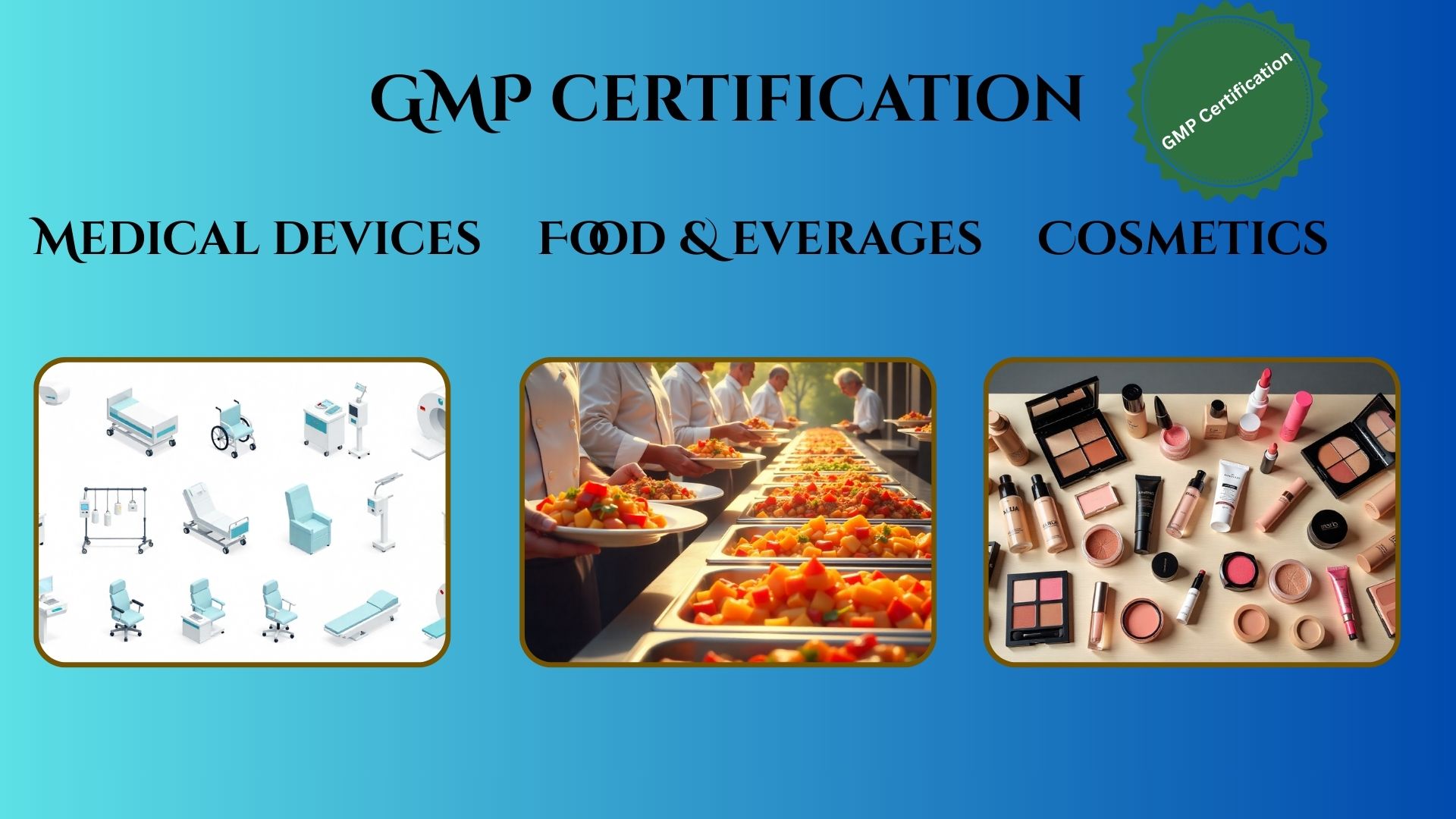
Whether you’re in medical devices, food and beverages, or cosmetics, GMP isn’t optional—it’s a standard that separates companies that deliver consistency from those that gamble with safety.
What is GMP Certification, Really?
GMP stands for Good Manufacturing Practices, but it’s more than an acronym. Think of it like the rules of the road for manufacturing. You wouldn’t drive blindfolded through a busy city, right? Similarly, GMP provides structured guidance to make sure every product is produced consistently, safely, and to the highest quality standards.
It covers everything: production processes, hygiene, equipment maintenance, staff training, and documentation. The aim is simple—reduce risk. And here’s the thing, in industries like medical devices or cosmetics, one small mistake can spiral into a massive issue, from product recalls to customer complaints.
Why Manufacturers Often Overlook GMP
You might wonder: “I’ve been making products for years without GMP certification. Why bother?” Honestly, that’s a fair question. Many small and medium-sized manufacturers rely on experience and internal controls. But experience alone can’t prevent human error, contamination, or process drift over time.
I visited a mid-sized cosmetics facility once that relied purely on memory and checklists scribbled on paper. They had great products, yes—but they were constantly firefighting inconsistencies. After adopting GMP certification, they noticed a drop in errors, complaints, and even waste. Processes became predictable, quality became measurable, and staff knew exactly what to do.
Key Areas GMP Covers
Let’s break it down without sounding like a textbook:
- Facilities & Equipment: Are your production areas clean? Do your machines get regular maintenance? GMP ensures that your setup doesn’t compromise the product.
- Personnel: Staff need training and awareness. It’s not enough to know how to operate a machine—they must understand why hygiene and process consistency matter.
- Processes & Documentation: Every step of production should be traceable. If something goes wrong, you should know exactly where and why.
- Quality Control: Sampling, testing, and monitoring ensure products meet specifications before they leave the facility.
Here’s the thing: these areas might seem obvious, but without GMP, consistency is left to chance. And in manufacturing, chance can be costly.
GMP in Medical Devices
Medical devices are unforgiving. A tiny error in a batch of catheters or diagnostic kits can harm patients and damage reputations. GMP ensures that your devices are manufactured under controlled conditions, minimizing contamination and defects.
Imagine a facility producing surgical gloves. Minor inconsistencies in packaging led to a few compromised products. No one was hurt, thankfully, but the potential was there. With GMP certification, checks were implemented at every stage—from raw material inspection to final product labeling—and errors became almost nonexistent.
GMP in Food & Beverages
Food and beverage manufacturing seems simple, but it’s deceptive. Cross-contamination, improper storage, and inconsistent processes can ruin a brand overnight. GMP helps standardize operations, enforce hygiene, and implement checks that prevent contamination.
Consider a juice manufacturing facility. Shelf-life testing was sporadic, which created some uncertainty about product stability. After following GMP certification guidelines, proper batch testing and storage controls were implemented. Quality improved, retailers were more confident carrying the products, and customer complaints dropped dramatically.
GMP in Cosmetics
Cosmetics might appear harmless, but GMP matters here too. From creams to shampoos, improper manufacturing can lead to microbial growth, allergic reactions, or chemical instability. GMP ensures that ingredients are stored correctly, mixing procedures are consistent, and finished products are tested before distribution.
A skincare manufacturer struggled with batch-to-batch variability in texture and scent. After pursuing GMP certification, clear protocols were introduced for ingredient measurement, mixing times, and environmental monitoring. The result? Products became predictable, quality complaints vanished, and customer trust soared.
Common Challenges Manufacturers Face
Even when you know the benefits, implementing GMP isn’t always smooth sailing. Some typical hurdles include:
Resistance from staff who see documentation as bureaucratic.
Costs of upgrading facilities or equipment.
Training and ongoing compliance monitoring.
Keeping processes flexible enough to innovate while maintaining standards.
Here’s the secret: these challenges are manageable. Once GMP becomes part of your culture, it stops feeling like a burden and starts feeling like protection.
Making GMP Work for You
How do you ensure GMP isn’t just a box-checking exercise?
- Leadership Buy-In: Management must believe in the system. If leaders see GMP as optional, staff will too.
- Clear Documentation: Don’t just document for auditors. Make it practical, understandable, and actionable.
- Training Programs: Everyone, from operators to supervisors, must understand why GMP matters.
- Internal Audits: Regular checks uncover weaknesses before they become crises.
Remember, GMP certification isn’t just a certificate on the wall—it’s an operational mindset.
Tangible Benefits of GMP Certification
Let’s be honest: certifications can sometimes feel like paperwork. But GMP offers tangible results:
- Reduced errors and recalls.
- Increased customer confidence.
- Streamlined production and reduced waste.
- Competitive advantage in crowded markets.
Even a small improvement in process consistency can have huge ripple effects across operations.
GMP and Innovation
Some manufacturers worry that GMP stifles creativity. Honestly? Not at all. GMP defines safe boundaries and controls—but innovation happens within those boundaries.
Think of it like a race track. The track ensures safety and structure, but you can still race as fast as you like, experiment with techniques, and try new strategies. GMP gives that structure for product innovation without risking safety or consistency.
Practical Steps to Get Started
You’re convinced, but where do you begin?
- Gap Analysis: Compare your current operations against GMP standards to identify weaknesses.
- Develop SOPs: Standard Operating Procedures ensure every step is repeatable.
- Train Staff: Everyone must know why each procedure matters.
- Monitor and Audit: Track deviations, implement corrective actions, and refine processes.
- Apply for Certification: Once confident in your systems, get certified through a recognized body.
GMP certification isn’t an overnight process, but every step you take strengthens your manufacturing and builds credibility.
A Word About Culture
Here’s something people often overlook: GMP is as much about culture as it is about process. If staff see quality as someone else’s responsibility, compliance fails. But when everyone—from the factory floor to management—owns quality, GMP becomes a natural part of daily operations.
Companies that fully embrace GMP notice a shift in mindset. People start taking pride in precision, cleanliness, and consistency. It’s no longer paperwork—it’s identity.
Conclusion
GMP certification is more than a procedural requirement. It’s a strategic investment in safety, quality, and trust. Manufacturers in medical devices, food & beverages, and cosmetics who embrace GMP don’t just reduce errors—they strengthen brand reputation, improve efficiency, and gain a competitive edge.
The road to GMP may have bumps—training staff, updating facilities, documenting processes—but the payoff is undeniable. A certified, well-implemented GMP system protects customers, supports innovation, and ensures every product leaving your facility meets high standards.
In short, GMP isn’t just rules on paper—it’s the foundation for sustainable, reliable, and respected manufacturing. Once done right, it becomes less about compliance and more about pride, precision, and confidence that your products truly make a difference.
Leave a Reply