
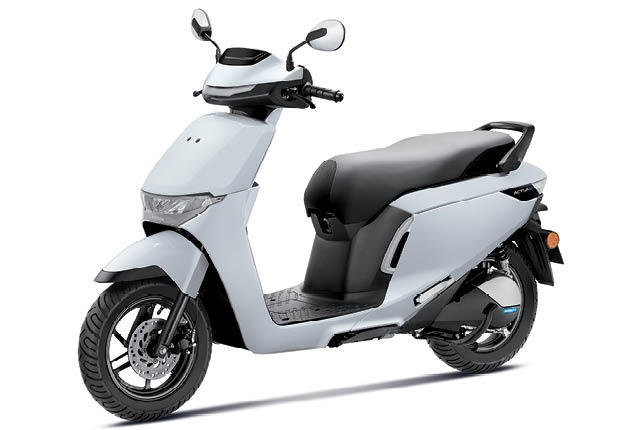
Two wheelers are the preferred choice of transportation across major cities in the country. With rising fuel costs, there is an increasing inclination of consumers towards electric scooters. A cheap electric scooter lets you cut commuting costs, weave through traffic, and ride on your own schedule. Low maintenance, predictable expenses, and compact design make it a practical choice for city travel, especially if this is your first personal commute option. With upcoming electric scooters promising even better range and smarter features, knowing what to choose can save you money and time every day.
The Practical Edge of E-Scooters
City travel is rarely about distance; it’s about efficiency. Narrow streets, mixed-use roads, and last-mile gaps make traditional vehicles slow and usually costly to operate. Electric scooters solve these problems with compact size, easy handling, and quick parking.
For daily commuters, the ability to ride directly from point A to point B without depending solely on schedules or waiting in traffic adds measurable time and cost savings. First-time buyers gain control over their mobility while keeping recurring expenses low.
Low-Cost Commuting That Adds Up
A cheap electric scooter isn’t just affordable upfront; it keeps ongoing costs predictable.
- Electric charging is far cheaper than petrol
- Minimal maintenance reduces service visits and replacement parts
- Some urban areas don’t charge a parking fee
These savings compound over weeks and months, helping you manage daily travel within a fixed budget. For financially aware commuters, this consistency often outweighs marginal differences in initial purchase price.
Total Cost of Ownership Over Time
For daily commuters, long-term costs matter more than the purchase price. Evaluating total ownership expenses helps you judge real value.
Fuel and energy savings
Electric charging costs remain significantly lower than petrol expenses for regular city travel. Over time, these savings become substantial.
Maintenance and servicing
Electric scooters have fewer moving parts, which reduces wear, servicing frequency, and replacement costs.
Parking and insurance impact
Compact size lowers parking expenses in most cities, while insurance costs remain manageable compared to larger vehicles.
Budget predictability
Stable running costs allow better monthly budgeting without exposure to fuel price fluctuations or surge pricing.
Over months of daily use, these factors combine to make an electric scooter a financially practical and sustainable commuting option.
Features That Matter for Daily Use
When choosing your first scooter, functionality is just as important as cost. Consider:
- Range per charge: Ensure it covers your daily commute comfortably
- Ease of charging: Home or office charging access improves usability
- Type of battery: Certain brands offer removable battery packs that can be carried along and charged at home
- Durability: A sturdy frame and weather-resistant design extend the scooter’s life
- Safety features: Brakes, lighting, and stability reduce accident risk
- After-sales support: Access to service ensures long-term reliability
Evaluating these factors upfront prevents small savings from turning into future expenses. Additionally it would be prudent to opt for an established brand to ensure long-term service support and better resale value.
Upcoming Electric Scooters and Added Value
Upcoming electric scooters are focusing on improving efficiency, ride quality, and battery life. Advanced battery management, lighter frames, and smarter controls extend usability and make commuting safer. For first-time buyers, waiting for models with enhanced features can make financial sense. Improved durability and performance reduce the risk of replacement and keep operational costs low.
A few notable launches in early 2026 include:
- Yamaha Aerox‑E – Performance-oriented with ~106 km range, smart dashboard controls, and city-focused handling
- Yamaha EC‑06 – Maxi-style design with a larger battery for longer urban rides and smoother daily commuting
These models show how 2026 launches will enhance efficiency, convenience, and cost-effectiveness, giving daily commuters practical and value-driven options for urban mobility.
Comparing Options Effectively
Digital marketplaces simplify side-by-side comparison of models, specifications, and financing options. Bajaj Markets, for example, allows you to review scooters for:
- Cost and value balance
- Battery range and charging time
- Safety features and durability
- Service network and warranty
Using a marketplace reduces the risk of overspending or choosing features you don’t need. It helps you make a decision based on utility, not just price.
Daily Convenience and Flexibility
Electric scooters are designed for consistent city use:
- Traffic navigation: Compact size allows you to avoid jams
- Parking ease: Simple, space-saving storage options
- Adaptable routes: Ride directly to your destination without detours
- Time savings: Less waiting and faster point-to-point travel
- More storage space: Most of these bikes have more storage and boot space than traditional petrol bikes
These benefits translate into practical value every day, not just a one-time convenience.
Environmental and Financial Alignment
Lower energy consumption reduces both environmental impact and operating costs. While eco-friendliness may not be your primary goal, the side benefit is a more cost-efficient commute. Predictable electricity costs and minimal maintenance keep spending steady while supporting sustainable urban mobility.
Conclusion
A cheap electric scooter delivers measurable financial and practical benefits for daily city travel. Low upfront costs, minimal maintenance, and predictable commuting expenses make it an ideal choice for first-time buyers. With upcoming electric scooters improving efficiency, safety, and durability, the value of investing in an e-scooter only grows stronger.
For efficient, cost-effective, and reliable urban commuting, an e-scooter offers one of the best returns on your investment in daily mobility.
Leave a Reply