
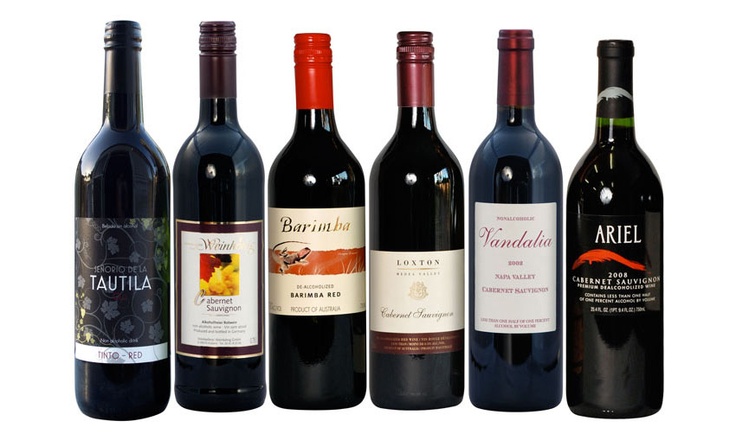
Non-alcoholic wines have rapidly grown in popularity, becoming a preferred choice for individuals who want to enjoy the sophistication of traditional wine without the effects of alcohol. Whether you are health-conscious, reducing alcohol intake, pregnant, a designated driver, or simply exploring new lifestyle choices, non-alcoholic wines offer a refined and enjoyable alternative. These beverages retain the flavors, aromas and complexities of traditional wines, giving consumers a premium, guilt-free experience.
How Non-Alcoholic Wines Are Made
Non-alcoholic wines begin the same way as regular wines — with fermentation. The grapes are harvested, crushed, and aged, allowing natural flavours and aromatic compounds to develop. Once the wine reaches maturity, alcohol is gently removed through methods such as:
- Vacuum distillation
- Reverse osmosis
- Spinning cone technology
These processes ensure the wine retains its body, aroma, and profile while reducing alcohol content to 0.0%–0.5%. The result is a sophisticated drink that looks, smells, and tastes like traditional wine.
Types of Non-Alcoholic Wines
Just like alcoholic wine, non-alcoholic wine comes in a variety of styles. Each type offers unique tasting notes and food pairing options.
1. Non-Alcoholic Red Wine
Rich, bold, and aromatic, non-alcoholic red wines often feature flavours like:
- Dark berries
- Cherry
- Oak
- Chocolate
- Mild spices
They pair beautifully with steak, lamb, pasta, and cheese platters.
2. Non-Alcoholic White Wine
Crisp and refreshing, white wines typically offer:
- Citrus notes
- Apple and pear
- Floral undertones
- Light acidity
They are perfect with chicken, seafood, salads, and creamy dishes.
3. Non-Alcoholic Rosé Wine
Rosé delivers a balance of sweetness and acidity, featuring flavors such as:
- Strawberry
- Raspberry
- Watermelon
Ideal for summer events, brunches, and desserts.
4. Non-Alcoholic Sparkling Wine
This is one of the most popular categories, offering a celebratory feel without the alcohol. Sparkling wine is perfect for:
- Weddings
- Anniversaries
- Corporate gatherings
- Festive holidays
It pairs well with seafood, appetizers, and light pastries.
Health Benefits of Non-Alcoholic Wines
Non-alcoholic wines are not just a lifestyle choice — they also offer several health advantages. Since they are made from grapes, they contain polyphenols and antioxidants such as resveratrol, which support:
- Better heart health
- Improved circulation
- Reduced blood pressure
- Lower calorie intake
They also eliminate the side effects of alcohol consumption, making them a safe choice for individuals with medical restrictions or those seeking healthier alternatives.
Who Should Choose Non-Alcoholic Wines?
Non-alcoholic wines are ideal for:
- Pregnant women (0.0% variants only)
- Fitness enthusiasts
- Drivers and professionals
- Individuals with alcohol intolerance
- Health-conscious consumers
- People practicing mindfulness or sobriety
This category of beverages offers inclusion — ensuring that everyone can participate in social gatherings without compromising their values or health.
How to Choose the Best Non-Alcoholic Wine
Selecting high-quality non-alcoholic wine can significantly enhance your drinking experience. Consider these factors:
1. Brand Reputation
Premium brands use advanced dealcoholisation methods that preserve aroma and flavor. Brands like Ariel, Pierre Chavin, Freixenet, Oddbird, and Lyre’s are popular globally.
2. Wine Style
Choose based on your taste preference:
- Dry
- Sweet
- Semi-sweet
- Sparkling
3. Ingredients
High-quality wines avoid artificial sweeteners or additives.
4. Alcohol Level
Some wines contain 0.5% residual alcohol. If you need 0.0%, check the label carefully.
5. Pairing Options
Certain wines taste best with particular foods. Knowing your pairing preferences enhances the experience.
Non-Alcoholic Wines vs. Traditional Wines
While traditional wines offer a classic experience, non-alcoholic wines provide a healthier, more inclusive alternative. The taste profiles may differ slightly because alcohol contributes to mouthfeel and warmth. However, modern technologies have significantly improved flavor retention, making non-alcoholic versions surprisingly close to their alcoholic counterparts.
Why Non-Alcoholic Wines Are Trending
The global wellness movement has played a major role in the rising demand for non-alcoholic wines. People are now more aware of:
- Mental health
- Physical fitness
- Responsible drinking
- Organic and clean lifestyle choices
Additionally, restaurants, bars, and luxury hotels now include alcohol-free wines in their menus, making them more accessible.
Where to Buy Non-Alcoholic Wines
Non-alcoholic wines are available at:
- Online non-alcoholic shops
- Specialty beverage stores
- Supermarkets
- Wellness and organic stores
- Direct brand websites
For bulk orders, many retailers offer subscription services, discounts, and curated tasting boxes.
Conclusion
Non-alcoholic wines offer the perfect balance of sophistication and health-conscious living. They allow people to enjoy celebrations, fine dining, and social gatherings without the effects of alcohol. With improved production methods, expanding flavour profiles, and premium-quality brands, non-alcoholic wines are shaping the future of modern drinking culture.
Leave a Reply