
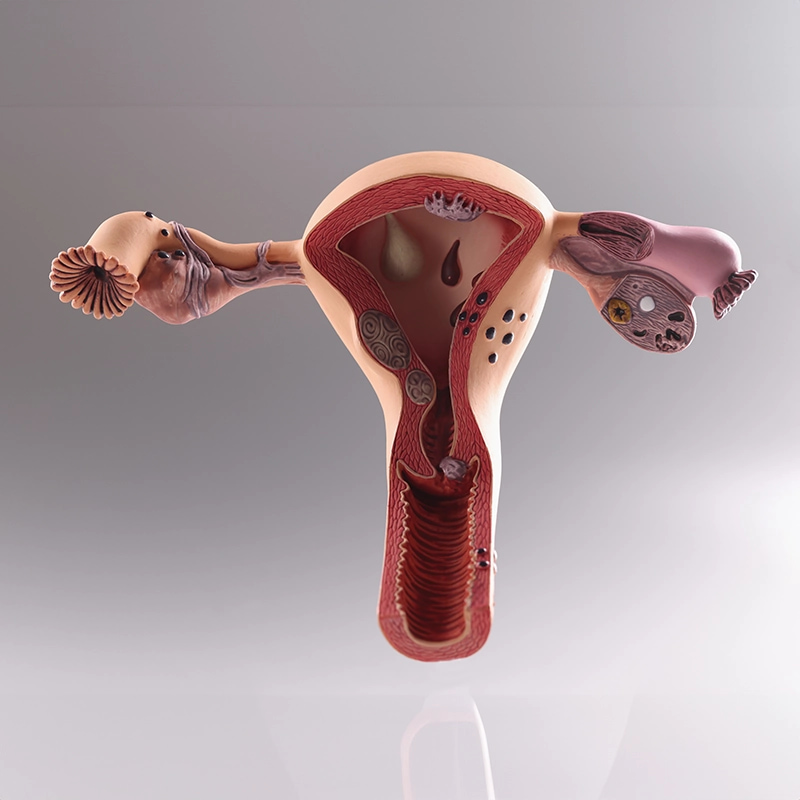
Abnormal uterine bleeding (AUB) is a common gynecological concern that affects women at different stages of life, from adolescence to menopause. It refers to bleeding from the uterus that differs from a normal menstrual cycle in timing, duration, or amount. While occasional changes in menstruation can occur, persistent or heavy bleeding should never be ignored. Understanding the causes, diagnostic process, and treatment options is essential for protecting reproductive health and preventing complications.
What Is Abnormal Uterine Bleeding?
Abnormal uterine bleeding is defined as any vaginal bleeding that deviates from normal menstrual patterns. This may include excessively heavy periods, bleeding between cycles, prolonged menstruation, or bleeding after menopause. AUB is a symptom rather than a disease and can result from hormonal imbalances, structural abnormalities, or underlying medical conditions. Identifying the pattern and frequency of bleeding helps doctors determine whether the bleeding is abnormal and requires further evaluation.
Common Symptoms of Abnormal Uterine Bleeding
Symptoms of abnormal uterine bleeding vary depending on the cause but often include unusually heavy menstrual flow that requires frequent pad or tampon changes. Some women experience periods lasting longer than seven days or bleeding between periods. Spotting after intercourse or postmenopausal bleeding are also concerning signs. Additional symptoms such as fatigue, dizziness, or shortness of breath may occur due to anemia caused by chronic blood loss. Any sudden or severe bleeding should be evaluated promptly.
Causes of Abnormal Uterine Bleeding
Abnormal uterine bleeding can occur due to a wide range of causes. Hormonal imbalances are among the most common, particularly during puberty, postpartum periods, or perimenopause. Structural issues such as uterine fibroids, polyps, or adenomyosis can also lead to irregular bleeding. Other causes include polycystic ovary syndrome (PCOS), infections, blood clotting disorders, thyroid problems, and certain medications. In some cases, pregnancy-related complications may also result in abnormal bleeding.
Hormonal Imbalance and Ovulatory Disorders
Hormonal imbalance plays a major role in abnormal uterine bleeding, especially when ovulation does not occur regularly. Without ovulation, estrogen continues to thicken the uterine lining without progesterone balance, leading to unpredictable shedding and heavy bleeding. This is common in teenagers, women with PCOS, and those approaching menopause. Stress, weight changes, excessive exercise, and certain medical conditions can further disrupt hormonal regulation, contributing to irregular menstrual cycles and abnormal bleeding patterns.
Structural Abnormalities of the Uterus
Structural problems within the uterus are another frequent cause of abnormal uterine bleeding. Uterine fibroids are noncancerous growths that can cause heavy or prolonged periods. Endometrial polyps may lead to spotting between periods or after intercourse. Adenomyosis occurs when uterine lining tissue grows into the uterine wall, causing painful and heavy periods. These conditions are usually diagnosed through imaging studies and may require medical or surgical treatment depending on severity.
How Abnormal Uterine Bleeding Is Diagnosed
Diagnosing abnormal uterine bleeding involves a detailed medical history, physical examination, and diagnostic testing. A gynecologist will assess menstrual patterns, pregnancy history, and associated symptoms. Blood tests may be ordered to check hormone levels, anemia, or clotting disorders. Imaging studies such as ultrasound help identify fibroids or polyps. In some cases, endometrial biopsy or hysteroscopy is required to rule out serious conditions, including endometrial cancer, especially in older women.
Treatment Options for Abnormal Uterine Bleeding
Treatment for abnormal uterine bleeding depends on the underlying cause, severity of symptoms, and patient’s age and reproductive goals. Hormonal treatments such as oral contraceptives, progesterone therapy, or hormonal IUDs are commonly used to regulate cycles and reduce bleeding. Non-hormonal medications may help control heavy bleeding. In cases where medical treatment is ineffective, surgical options such as polyp removal, fibroid treatment, or endometrial ablation may be recommended. Individualized treatment ensures optimal outcomes.
Complications of Untreated Abnormal Uterine Bleeding
If left untreated, abnormal uterine bleeding can lead to serious health issues. Chronic blood loss may cause iron-deficiency anemia, resulting in fatigue, weakness, and reduced concentration. Persistent bleeding can also affect emotional well-being, daily activities, and quality of life. In some cases, AUB may be a sign of underlying conditions such as hormonal disorders or malignancy. Early diagnosis and appropriate treatment significantly reduce the risk of long-term complications.
Book Appointment with the Best Gynecologist in Lahore via InstaCare
If you are experiencing irregular, heavy, or prolonged bleeding, timely evaluation by a specialist is essential. You can book an appointment with the best gynecologist in Lahore via InstaCare for expert diagnosis and personalized care. InstaCare provides a convenient platform to connect with experienced gynecologists, view available time slots, and schedule consultations easily. Early professional care helps identify the cause of abnormal bleeding and ensures effective treatment for long-term reproductive health.
Conclusion
Abnormal uterine bleeding is a common but important condition that should not be ignored. While occasional menstrual changes can occur, persistent or severe bleeding requires medical evaluation. Understanding the causes, recognizing symptoms, and seeking timely gynecological care can prevent complications and improve quality of life. With proper diagnosis and individualized treatment, most women can successfully manage abnormal uterine bleeding and maintain optimal reproductive health.
Frequently Asked Questions (FAQs)
- Is abnormal uterine bleeding always serious?
Not always, but persistent or heavy bleeding should be evaluated to rule out underlying conditions. - Can stress cause abnormal uterine bleeding?
Stress can disrupt hormonal balance and may contribute to irregular menstrual cycles and bleeding. - Is abnormal uterine bleeding common during menopause?
Bleeding during menopause is not normal and should always be investigated by a gynecologist. - Can abnormal uterine bleeding affect fertility?
Yes, depending on the cause, AUB may interfere with ovulation or implantation and affect fertility. - When should I see a gynecologist for abnormal bleeding?
You should consult a gynecologist if bleeding is heavy, prolonged, frequent, or occurs between periods or after menopause.
Leave a Reply