
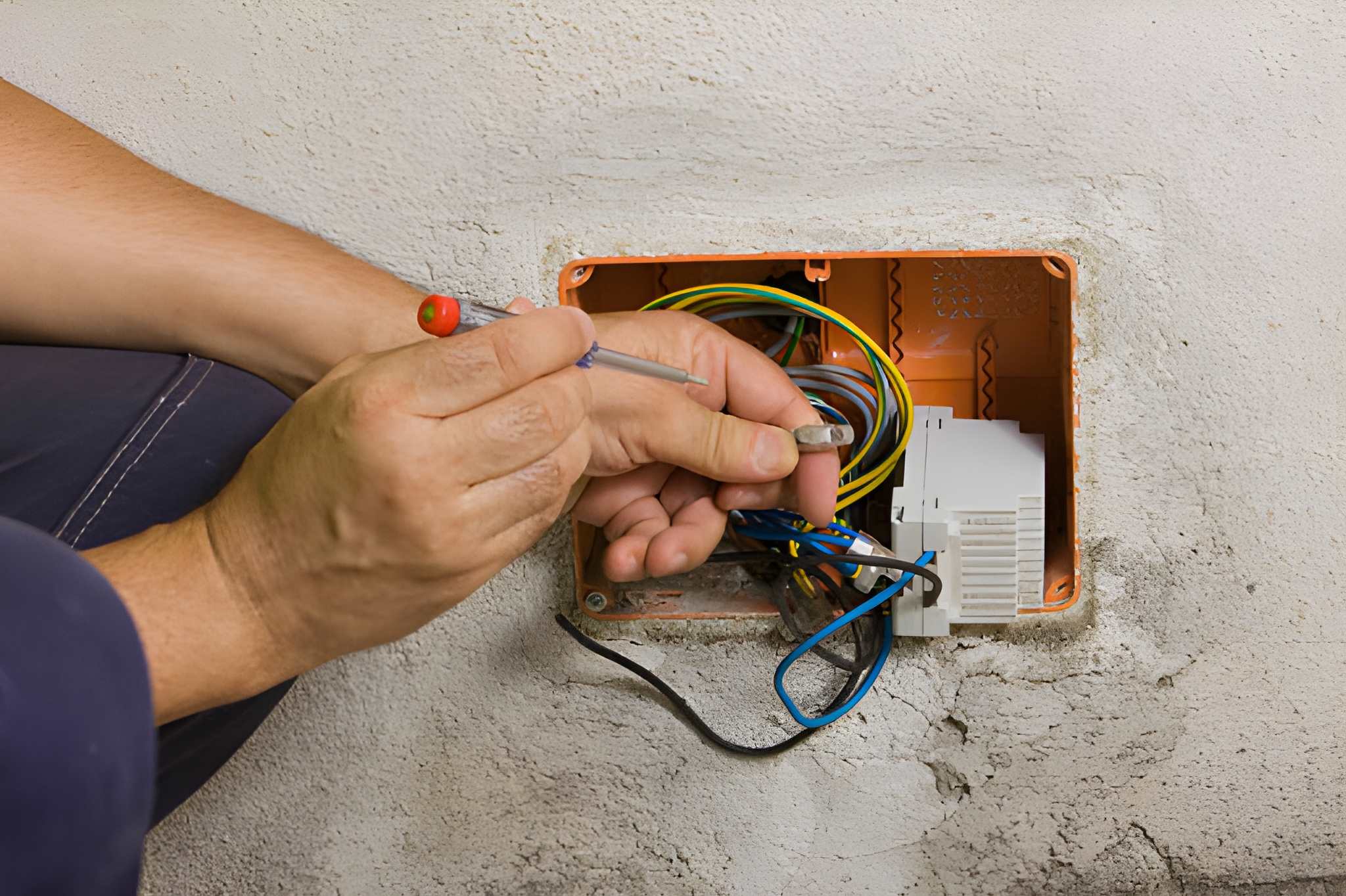
Tottenham is one of North London’s most varied residential areas. Grand Victorian terraces sit alongside post-war estates, newer apartment blocks, and streets where homes have been adapted repeatedly over decades. For property owners, this diversity means electrical safety can never be approached with a one-size-fits-all mindset. An EICR in Tottenham must reflect how these buildings were constructed, altered, and are now used.
Why Tottenham Properties Need a Localised EICR Approach
Much of Tottenham’s housing was built during periods of rapid expansion. Electrical systems were often installed in stages, responding to demand rather than future-proofing. Later upgrades—loft conversions, rear extensions, or flat subdivisions—frequently layered new circuits onto old infrastructure.
An EICR in Tottenham looks at how well those layers work together today. It considers whether original wiring still carries appropriate loads, whether protection devices match current use, and whether gas appliances relying on electrical systems remain safe under fault conditions.
Housing Types in the United Kingdom and Their Impact on Gas Safety
Across the United Kingdom, housing type is a key factor in gas-related risk. Tottenham has several property styles that require careful assessment.
Victorian and Edwardian Terraces
These homes were designed long before central heating or modern cooking appliances. In Tottenham, many have been converted into multiple flats, each with its own gas boiler.
A common issue arises when a boiler is electrically supplied from an ageing consumer unit with no modern protection. The gas installation may be sound, but an electrical fault can disable safety controls, leading to loss of heating or ventilation. An EICR highlights this interdependence early.
Post-War Estates and Council Housing
Tottenham has a significant number of post-war blocks. While structurally robust, their original electrical designs were modest by today’s standards.
As tenants add electric heaters, washing machines, and modern kitchens alongside gas systems, circuits can become overloaded. When power fails to extractor fans or boiler controls, gas safety is compromised indirectly. These risks rarely appear in isolation.
Newer Developments and Mixed-Use Buildings
Newer flats around Tottenham Hale bring their own challenges. Electrical systems are modern, but shared infrastructure and high-density living mean faults can affect multiple dwellings.
In practice, an EICR may focus less on wiring age and more on coordination between individual flats and communal systems, particularly where gas safety devices depend on reliable electrical supply.
What an EICR in Tottenham Really Assesses
A properly conducted EICR in Tottenham evaluates whether an electrical installation remains safe for continued use within its real-world context.
Inspectors examine how systems perform under everyday conditions, paying close attention to areas where electrical faults could influence gas appliance safety. This includes earthing and bonding to gas pipework, protection of boiler circuits, and signs of overheating caused by increased demand.
Tottenham properties often reveal installations that are technically functional but no longer well-matched to current usage.
Practical Examples from Local Homes
In a rented house near Bruce Grove, a landlord replaces an older gas boiler with a modern combi system. The gas work passes inspection, but the electrical supply feeding the boiler comes from a circuit already serving multiple rooms. When the circuit trips repeatedly, tenants reset it without reporting the issue, masking a growing safety risk.
In another case, a converted flat near Tottenham High Road has its kitchen extractor fan disconnected during refurbishment. Electrically, it seems minor. In reality, reduced ventilation affects the safe operation of a gas cooker, increasing the risk of poor combustion.
These are the kinds of issues a locally informed EICR is designed to catch.
Compliance Duties for Tottenham Landlords
Landlords are legally required to have electrical installations inspected at least every five years and to address urgent issues promptly. Tottenham falls under boroughs where enforcement activity has increased, particularly in response to tenant complaints.
Clear, proportionate reporting matters. Providers such as London Property Inspections are often chosen because they understand both local housing stock and how councils interpret EICR findings.
Avoiding Extremes: Neither Panic Nor Complacency
Older properties do not automatically require full rewires, just as newer ones are not automatically safe. A balanced EICR in Tottenham distinguishes between immediate risks and longer-term improvements.
This approach allows owners to remain compliant while planning upgrades sensibly. Many local landlords value London Property Inspections for their focus on safety and practicality rather than unnecessary escalation.
Looking Ahead: Preparing Tottenham Homes for Future Demand
Electrical demand in North London will continue to rise as heating systems electrify and charging infrastructure becomes common. Tottenham’s older housing stock benefits from planning.
Coordinating electrical improvements with gas boiler replacements or refurbishments reduces cost and disruption. A forward-looking inspection helps owners prepare rather than react.
FAQs
Is an EICR required for owner-occupied homes?
It is not mandatory, but strongly recommended for older or converted properties.
How often must landlords have an EICR renewed?
Every five years, or sooner if specified in the report.
Does an EICR replace a gas safety certificate?
No. They are separate requirements, though electrical issues can affect gas safety.
Are flats assessed individually in converted houses?
Yes, though shared systems may also be reviewed if they affect safety.
Who should carry out an EICR in Tottenham?
A qualified inspector with local experience, such as London Property Inspections.
Leave a Reply