
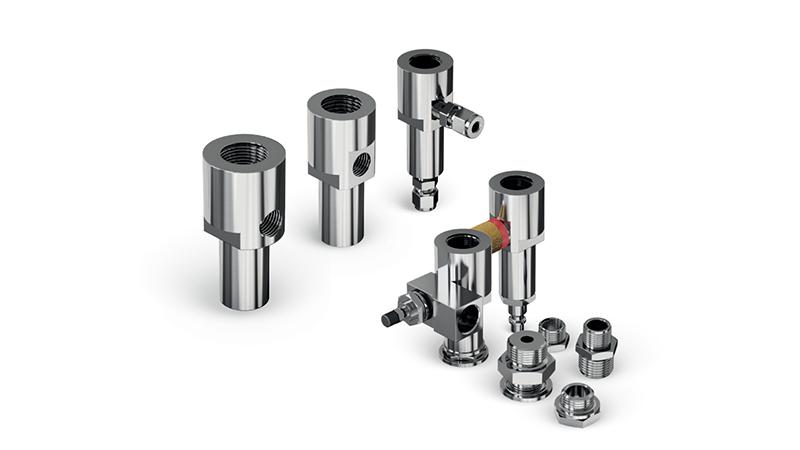
In industries where precision, safety, and consistency are non-negotiable, monitoring moisture levels within gas and air systems becomes critically important. One of the most reliable solutions for achieving accurate and stable moisture analysis is the dewpoint sampling system. Designed to extract, condition, and deliver a clean, representative sample to moisture analyzers and dew point instruments, these systems ensure the accuracy of readings and extend the lifespan of sensitive measurement equipment. From natural gas pipelines to pharmaceutical environments, a dewpoint sampling system plays a vital role in keeping operations efficient, safe, and compliant.
What Is a Dewpoint Sampling System?
A dewpoint sampling system is an engineered setup designed specifically to prepare gas or air samples for dew point measurement. Instead of feeding raw or contaminated gas directly into a moisture analyzer, the system conditions the sample through filtration, pressure regulation, flow control, and temperature stabilisation.
It serves as a protective barrier between the industrial environment and the measuring instrument. This ensures that the dew point sensor receives:
- A clean sample
- A dry and stable flow
- A regulated pressure
- A representative portion of the process gas
Without a proper sampling system, readings may be inaccurate, instruments may drift, and sensors may suffer damage from contaminants or particulates.
Why Dewpoint Sampling Systems Matter
Industries often rely on accurate dew point measurement to avoid corrosion, product contamination, efficiency losses, and safety hazards. However, many gases are not measured directly at the source but rather through extracted samples. This is where a dewpoint sampling system proves invaluable.
Key reasons these systems are essential:
✔ Accuracy
They eliminate measurement errors caused by unstable flow, moisture migration in sample lines, or sudden pressure changes.
✔ Sensor Protection
Moisture analyzers are sensitive instruments. Exposure to dust, oil vapor, corrosive gas, or liquid slugs can permanently damage them.
✔ Consistent Measurement Conditions
For a dew point reading to be accurate, the sample must be kept at a stable temperature and pressure. The sampling system creates these conditions.
✔ Compliance
Industries with strict moisture limits—like pharmaceuticals, energy, and food production—require sampling systems to meet audit and regulatory standards.
How a Dewpoint Sampling System Works
A dewpoint sampling system is typically composed of multiple components working in harmony. Though designs vary by industry, most systems include:
1. Sample Probe
Installed directly in the gas line, the probe extracts the gas sample while minimizing disruption to the process.
3. Filters (Particulate & Coalescing)
Filters remove dust, aerosols, compressor oil, and contaminants that could damage measurement equipment.
4. Flow Control Components
Needle valves and flow meters maintain a consistent flow to the moisture analyzer.
5. Pressure Regulation
Regulators lower gas pressure to a safe, stable level suitable for dew point measurement.
6. Moisture Trap or Liquid Separator
Prevents liquid contamination which can destroy sensors or lead to false readings.
7. Bypass System
Allows the user to flush the line before sending the sample to the analyzer.
8. Measurement Chamber
Where the dew point transmitter or moisture analyzer receives the conditioned gas.
The system ensures the sample is prepared correctly before it reaches the dewpoint measuring device, guaranteeing accuracy and longevity.
Where Dewpoint Sampling Systems Are Used
Dewpoint sampling systems serve as a critical part of moisture monitoring in industries where gas purity and dryness are essential.
Natural Gas & Petrochemical Sector
Ensures pipeline integrity, prevents hydrate formation, and enhances gas quality.
Compressed Air Systems
Prevent moisture-related failures in pneumatic tools, valves, and sensitive machinery.
Power Generation
Used in gas turbines, hydrogen-cooled generators, and fuel systems.
Pharmaceutical Manufacturing
Maintains ultra-low moisture conditions in controlled production environments.
Industrial Gas Production
Ensures purity levels of nitrogen, oxygen, hydrogen, argon, and specialty gases.
Electronics & Semiconductor Industry
Protects components that are extremely sensitive to humidity.
Food and Beverage Processing
Ensures correct moisture levels for storage, packaging, and production.
Benefits of Using a Dewpoint Sampling System
A high-quality dewpoint sampling system offers several advantages that enhance both accuracy and safety.
Improved Measurement Accuracy
By delivering a stable, conditioned gas sample, readings remain reliable and consistent even under varying industrial conditions.
Longer Sensor Lifespan
Moisture analyzers and dew point transmitters last significantly longer when contaminants and liquid droplets are removed.
Reduced Downtime
With fewer sensor failures and better moisture control, plant shutdowns become less frequent.
Compliance & Documentation
Sampling systems allow industries to meet ISO, FDA, and gas purity standards by ensuring repeatable and accurate moisture readings.
Design Considerations for a Dewpoint Sampling System
When selecting or designing a dewpoint sampling system, the following factors must be evaluated carefully:
Gas Type and Composition
Different gases may require specific materials or filtration types to avoid corrosion or reactions.
Pressure Range
Measurement accuracy depends heavily on the stability of pressure entering the analyzer.
Temperature Conditions
Sample lines must maintain consistent temperatures to avoid condensation or moisture migration.
Flow Rate Requirements
Optimal flow ensures proper sensor response time and measurement stability.
Distance from the Gas Source
Long sample lines increase the chance of contamination unless properly designed.
Cleanliness of the Process Gas
Systems handling dirty or wet gas will need advanced filtration.
Common Issues Solved by Dewpoint Sampling Systems
A high-quality dewpoint sampling system can prevent problems such as:
- False dew point readings from unstable sample temperature
- Moisture absorption in sample lines
- Sensor poisoning from contaminants
- Liquid slugs damaging sensitive measurement cells
- Pressure surges affecting sensor accuracy
By eliminating these issues, sampling systems greatly improve measurement reliability.
Dewpoint Sampling System vs Direct In-Line Measurement
Direct In-Line Measurement
- Faster response
- Higher exposure to contaminants
- Best for clean, dry gas streams
Dewpoint Sampling System
- Provides cleaner, conditioned samples
- Essential for dirty, pressurized, or unstable gas environments
- Protects equipment and enhances accuracy
Most industrial setups prefer sampling systems because they offer much greater control over sample quality.
Future Trends in Dewpoint Sampling Technology
As moisture monitoring evolves, dewpoint sampling systems are becoming smarter and more efficient. Emerging trends include:
- IoT connectivity for remote monitoring
- Automated sample conditioning systems
- Self-draining and auto-cleaning separators
- Modular designs for multi-gas applications
- Integrated diagnostics
- Improved corrosion-resistant materials
These advancements are helping industries achieve tighter moisture specifications and greater reliability.
Conclusion
A dewpoint sampling system is a critical component for ensuring accurate, reliable, and safe moisture measurement in industrial processes. By conditioning gas samples, protecting sensitive sensors, and maintaining stable measurement conditions, it becomes the backbone of any moisture monitoring setup. Industries that depend on purity, efficiency, and safety—such as natural gas processing, pharmaceuticals, energy production, and electronics manufacturing—benefit enormously from these systems.
Leave a Reply