
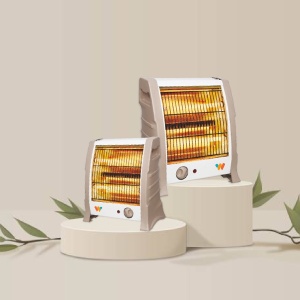
During the winter season, room heaters become an essential appliance in many homes, offices, and commercial spaces. They provide warmth, improve comfort, and help maintain a pleasant indoor environment when temperatures drop significantly. However, improper use of a room heater can lead to safety risks, high electricity bills, or reduced efficiency. Understanding how to use a room heater correctly is crucial for ensuring both comfort and safety.
This article explains room heater how to use properly, the right placement, operating tips, safety precautions, and ways to improve heating efficiency.
Understanding Different Types of Room Heaters
Before learning how to use a room heater, it is important to understand that different types of heaters operate in different ways. The most common room heaters include:
-
Fan Heaters: These heaters use a fan to blow air over a heated element, providing quick warmth. They are suitable for small rooms.
-
Oil-Filled Radiators: These heaters use heated oil to radiate warmth. They are energy-efficient and ideal for long-term use.
-
Infrared Heaters: These heaters warm objects and people directly rather than heating the air.
-
Convection Heaters: These heaters warm air, which circulates throughout the room.
Knowing your heater type helps you operate it more efficiently and safely.
Choosing the Right Location for Your Room Heater
Proper placement of a room heater plays a vital role in its performance and safety. Always place the heater on a flat, stable surface to prevent it from tipping over. The heater should be positioned at least three feet away from curtains, furniture, bedding, or any flammable materials.
Avoid placing the heater near doors or windows where heat can escape easily. For best results, position the heater in the center of the room or near areas where people spend the most time. Never place a room heater in damp areas such as bathrooms unless it is specifically designed for that purpose.
How to Turn On and Adjust a Room Heater
Once the heater is placed correctly, plug it directly into a wall socket. Avoid using extension cords or power strips, as these can overheat and cause electrical hazards.
Most room heaters come with adjustable settings such as:
-
Temperature control or thermostat
-
Power modes (low, medium, high)
-
Timer functions
-
Oscillation feature (for fan heaters)
Start with a low or medium setting and gradually increase the temperature as needed. Using the highest setting continuously may increase electricity consumption and reduce heater lifespan.
If your heater has a thermostat, set it to a comfortable temperature rather than maximum heat. This allows the heater to cycle on and off automatically, maintaining warmth while saving energy.
Using a Room Heater for Maximum Efficiency
To get the most out of your room heater, ensure that the room is properly insulated. Close doors and windows to prevent heat from escaping. Use door stoppers or draft blockers to seal gaps under doors.
Curtains and blinds can also help retain heat when closed at night. If your room is large, consider using the heater in a confined space instead of heating the entire area unnecessarily.
Using a ceiling fan on low speed in reverse mode can help distribute warm air evenly throughout the room, improving heating efficiency.
Safety Precautions While Using a Room Heater
Safety should always be the top priority when using a room heater. Never leave a heater unattended for long periods, especially when sleeping or when children and pets are around.
Keep the heater away from water sources and avoid touching it with wet hands. Do not cover the heater with clothes or blankets, as this can lead to overheating or fire hazards.
Modern heaters often come with built-in safety features such as tip-over protection and overheat shut-off. Make sure these features are functioning properly. If the heater emits unusual sounds, smells, or sparks, turn it off immediately and unplug it.
Using a Room Heater Overnight
Using a room heater at night requires extra caution. If you plan to keep the heater on while sleeping, choose a model with a thermostat and timer function. Set the timer so the heater turns off automatically after a certain period.
Oil-filled radiators are generally safer for overnight use because they do not have exposed heating elements. However, even with safer models, it is recommended to turn off the heater before sleeping whenever possible and rely on blankets for warmth.
Ensure that the heater is placed far from the bed, curtains, and any items that could catch fire.
Energy-Saving Tips While Using a Room Heater
Room heaters can consume a significant amount of electricity if not used wisely. To reduce energy consumption, avoid running the heater continuously at high settings. Instead, heat the room to a comfortable temperature and then lower the setting.
Using a programmable timer helps prevent unnecessary usage. Turn off the heater when the room is sufficiently warm or when you leave the room.
Regular maintenance such as cleaning dust from vents and filters ensures efficient operation. Dust buildup can reduce heating performance and increase energy consumption.
Using a Room Heater in Offices and Workspaces
In office environments, room heaters should be used with consideration for shared spaces. Place the heater away from paper files, furniture, and electrical equipment. Make sure it does not block walkways or emergency exits.
Avoid using personal heaters in offices that have centralized heating systems unless permitted. If allowed, choose compact and energy-efficient models designed for office use.
Common Mistakes to Avoid While Using a Room Heater
Many people unknowingly make mistakes that reduce heater efficiency or increase risks. Avoid placing the heater too close to walls, as this can block airflow. Never use the heater to dry clothes or shoes.
Do not use damaged power cords or plugs. Always unplug the heater when not in use and store it properly after the winter season.
Ignoring manufacturer instructions is another common mistake. Always read the user manual to understand the specific features and limitations of your heater model.
Maintaining Your Room Heater for Long-Term Use
Proper maintenance ensures that your room heater performs efficiently year after year. Clean the exterior and vents regularly to remove dust. For oil-filled heaters, check for leaks before use.
Store the heater in a dry place during the off-season. Wrap the cord properly to prevent damage and avoid placing heavy objects on top of the heater during storage.
Routine inspection before winter begins can help identify potential issues early and ensure safe operation.
Conclusion
Using a room heater correctly is essential for staying warm, saving energy, and ensuring safety during the cold season. By choosing the right heater, placing it properly, adjusting settings wisely, and following safety precautions, you can enjoy a comfortable and cozy environment without unnecessary risks.
Understanding how to use a room heater efficiently not only improves warmth but also extends the life of the appliance and reduces electricity costs. With mindful usage and regular maintenance, a room heater can be a reliable companion throughout winter, providing comfort when you need it most.
Leave a Reply